

Alex Honnold: Free Solo, Film and Philanthropy
Introduction
Alex Honnold is one of the most recognisable figures in modern rock climbing. His high‑profile free solo ascents — climbs without ropes or protective equipment — have provoked wide public interest, sparked debate about risk and responsibility in adventure sports, and brought attention to climbers’ roles beyond sport. The topic matters not only to climbing communities but also to broader audiences drawn by the human story behind extreme performance and the charitable work Honnold supports.
Main body
Notable achievements
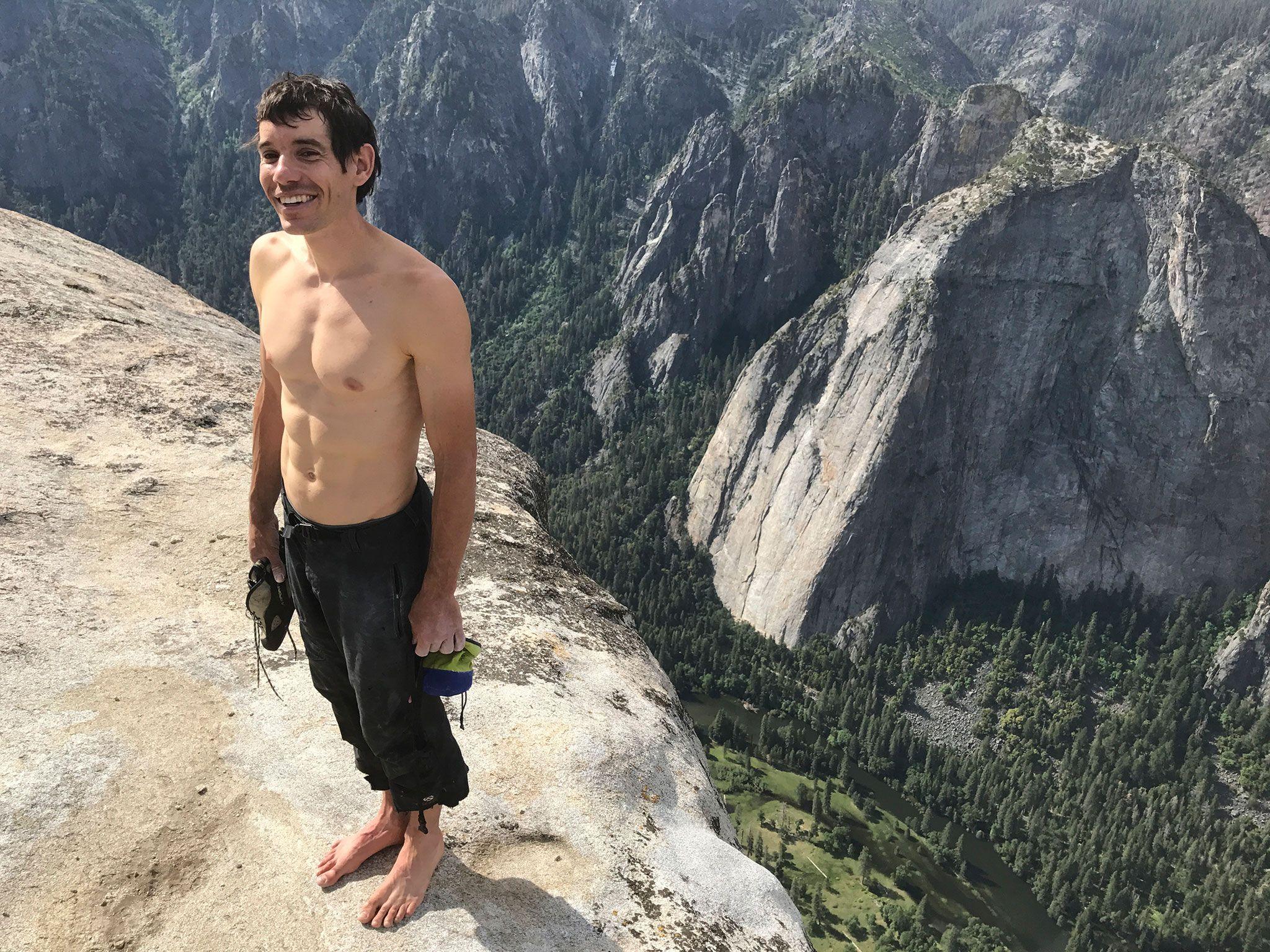
Honnold rose to international prominence when he completed a free solo ascent of El Capitan’s Freerider route in Yosemite National Park on 3 June 2017. The achievement, widely covered by the media, showcased elite physical skill, meticulous preparation and an unusual psychological approach to exposure and risk. Honnold’s climbing has been primarily on big walls and hard single‑pitch routes, and he is widely regarded as a defining figure in the discipline of free soloism.
Documentary and public profile
The documentary film Free Solo (released in 2018) documented Honnold’s preparation and ascent of El Capitan. Directed by Elizabeth Chai Vasarhelyi and Jimmy Chin, the film won the Academy Award for Best Documentary Feature in 2019 and introduced Honnold’s story to a broad international audience. The film prompted renewed discussion about safety, media responsibility and the portrayal of high‑risk sports to the public.
Philanthropy and wider impact
Beyond climbing, Honnold has been active in philanthropy. He co‑founded the Honnold Foundation, an organisation focused on promoting solar energy access and sustainable solutions in underserved communities. The foundation’s work has helped position Honnold as a public figure concerned with environmental and social issues, extending his influence beyond athletic achievement.
Conclusion
Alex Honnold’s career illustrates how extraordinary athletic accomplishment can shape public conversation about risk, ethics and social responsibility. His El Capitan free solo and the subsequent Free Solo documentary cemented his status in popular culture, while his philanthropic work has broadened his impact. For readers, Honnold’s story underscores the intersection of sport, media and social engagement and suggests that elite athletes increasingly serve as advocates for causes beyond their disciplines.