

Athletic Bilbao: Tradition, Youth and Modern Challenges
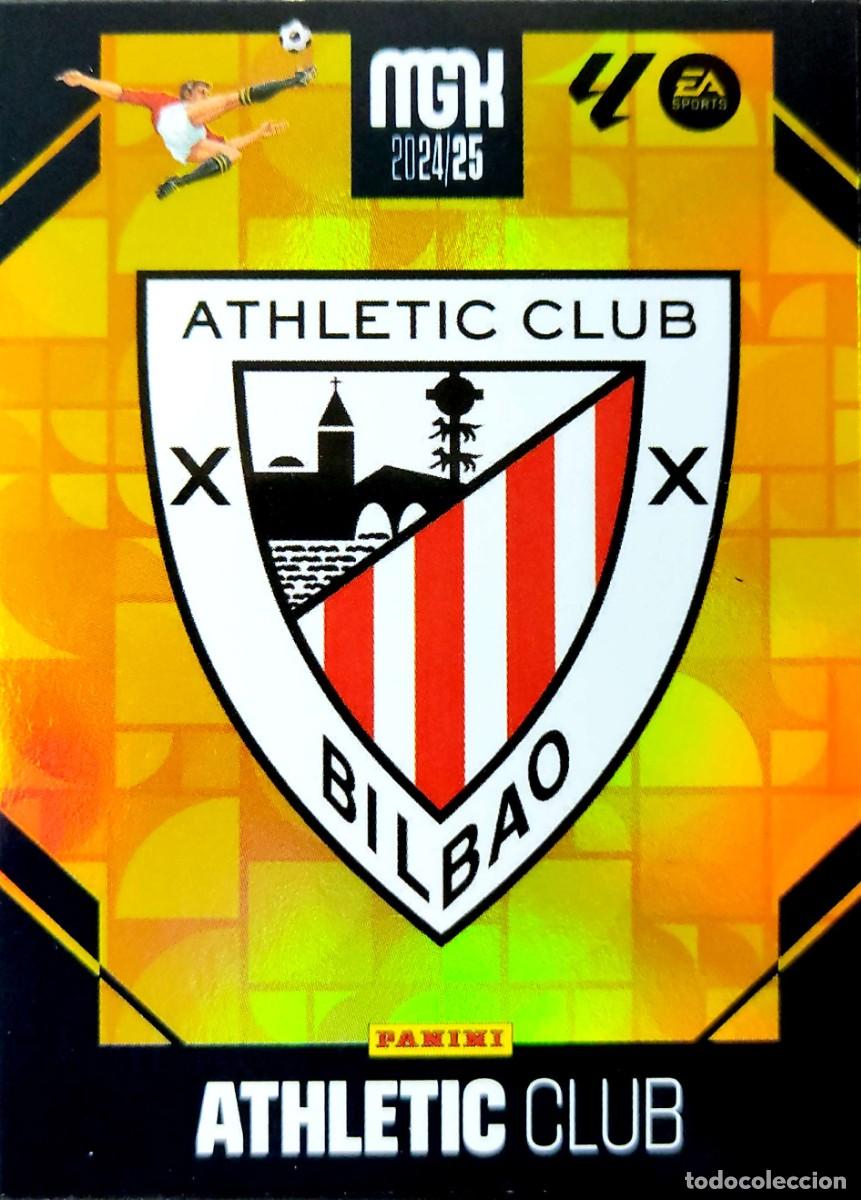
Introduction: Why Athletic Bilbao matters
Athletic Bilbao is one of Spain’s most distinctive football clubs, notable not only for its long history but for a clear identity that resonates beyond sport. Founded in 1898 and based in the Basque city of Bilbao, the club’s commitment to developing local talent and its unique recruitment policy make it a subject of continued interest for fans, analysts and those studying sport and regional culture. Its role in LaLiga and periodic appearances in European competition keep Athletic relevant in contemporary football conversations.
Main body: Identity, structures and recent context
Basque-only philosophy and Lezama academy
Athletic’s famed policy of recruiting primarily players from the Basque region has shaped the club’s strategy for more than a century. This approach places enormous emphasis on the club’s youth set-up at Lezama, one of Spain’s most productive academies. Lezama supplies first-team players and underpins Athletic’s continuity — a model that prioritises long-term player development over big-money transfers.
Home ground and supporters
The modern San Mamés, opened in 2013 on the site of the historic stadium, provides a contemporary venue for domestic and European matches while maintaining a strong local atmosphere. Athletic’s supporters are known for deep regional loyalty and for preserving the club’s traditions, making matchdays in Bilbao a focal point of local identity.
Competitive standing and European presence
Historically successful in Spanish football, Athletic remains competitive in LaLiga and periodically competes in European tournaments. The club balances its sporting ambitions with cultural priorities, often facing the challenge of competing against clubs with larger budgets while relying largely on homegrown talent.
Conclusion: Outlook and significance for readers
Athletic Bilbao stands as a living example of how regional identity and football can intertwine. For supporters and observers, the club’s model raises questions about sustainability, competitive strategy and the value of youth development in modern football. Looking ahead, Athletic’s prospects will depend on continuing to nurture local talent, making prudent decisions on the pitch and maintaining strong community ties — factors that will determine whether the club can keep bridging tradition and competitiveness in the years to come.