

Carl Froch: Career, Legacy and Ongoing Influence
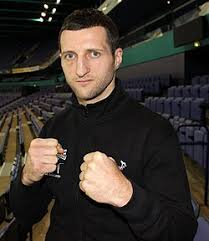
Introduction: Why Carl Froch matters
Carl Froch is one of the most recognisable names in modern British boxing. As a hard‑hitting professional from Nottingham who rose to world championship level, Froch’s fights captured national attention and helped raise the profile of the super‑middleweight division in the 2000s and early 2010s. His career and subsequent work in broadcasting remain relevant for fans, boxers and anyone following the development of the sport in the UK.
Main body: Career highlights and post‑ring activity
From Nottingham to the world stage
Born in Nottingham on 2 July 1977, Carl Froch turned professional in 2002. Over a dozen years in the paid ranks he established a reputation for toughness, power and an ability to perform on big occasions. Froch became a recognised world champion at super‑middleweight and was involved in several high‑profile contests against leading opponents of his era.
Defining moments
Among the matches that defined his legacy were a series of headline fights that drew large domestic crowds and widespread media coverage. The pair of contests with George Groves — culminating in a dramatic rematch at Wembley Stadium in 2014 where Froch scored a stoppage victory — is frequently cited as one of the standout moments of his career and marked his final professional appearance before retirement. Throughout his career Froch regularly featured on major UK fight cards and helped bring large stadium shows back to British boxing.
Life after competitive boxing
Since retiring, Carl Froch has remained prominent in the sport as a commentator, analyst and public figure. His candid views on training, tactics and fighter mentality have been a feature of broadcast coverage and boxing media. Froch’s transition from athlete to pundit has kept him close to the sport’s ongoing narratives and emerging talents, while maintaining his public profile beyond the ring.
Conclusion: Legacy and significance
Carl Froch’s career provided memorable moments for UK boxing and his post‑retirement work continues to shape public discussion of the sport. For readers and fans, Froch represents a generation that helped revive large‑scale domestic boxing events and a model of how elite athletes can move into media and mentoring roles. His legacy is likely to endure in British boxing history and in the ongoing careers of fighters he influenced and supported.