

Christian Horner and Red Bull: Leadership in Formula 1
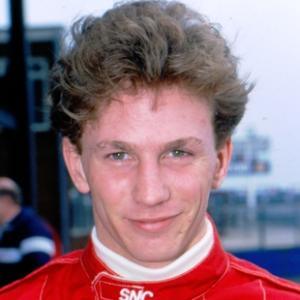
Introduction: Why Christian Horner matters in Formula 1
Christian Horner is one of the most prominent figures in modern Formula 1. As team principal of Red Bull Racing since 2005, his leadership has been central to the team’s long-term development and competitive success. With a sustained period of strong results, Horner’s decisions on strategy, driver management and team structure carry significance not only for Red Bull but for the wider championship, influencing competition, commercial dynamics and fan engagement across the sport.
Main body: Career highlights and recent context
Tenure and achievements
Horner took charge of Red Bull Racing in 2005 and has overseen the team through multiple distinct eras. Under his stewardship Red Bull secured four consecutive drivers’ and constructors’ championships from 2010 to 2013 with Sebastian Vettel. More recently, the team returned to the forefront of the sport with Max Verstappen, who won consecutive drivers’ titles beginning in 2021 while Red Bull secured constructors’ success in 2022 and 2023. These results reflect sustained investment in technical development and an organisational culture aimed at rapid performance gains.
Leadership and team dynamics
Horner’s role combines public-facing responsibilities with day-to-day team management. He works closely with key figures — including technical directors, engineers and senior management — to coordinate car development, race strategy and driver line-up decisions. His ability to maintain cohesion between the pitwall, factory and driver pairing has been cited as a factor in Red Bull’s ability to convert performance into race and championship victories.
Sporting context
Red Bull’s resurgence under Horner has reshaped the competitive landscape of Formula 1. Rival teams such as Mercedes and Ferrari remain formidable, and regulation changes and technical innovation continue to influence prospects each season. Horner’s strategic choices therefore play into broader championship narratives, from the allocation of resources to in-season development priorities.
Conclusion: Outlook and significance for readers
Christian Horner’s tenure at Red Bull Racing has been marked by notable championship success and a clear impact on Formula 1’s competitive order. For followers of the sport, Horner’s decisions will remain an important indicator of Red Bull’s prospects in forthcoming seasons. As teams adapt to technical regulations and rival strategies, Horner’s leadership will be critical to whether Red Bull can sustain its position at the front of the grid.