

Curling at the Olympics: History, Format and Future Outlook
Introduction: Why the Curling Olympics Matter
Curling at the Olympics combines precision, strategy and team skill, attracting growing global interest. The sport’s inclusion at the Winter Games highlights winter-sport diversity and provides a high-profile stage for nations both large and small. Understanding its history, format and future developments helps fans and prospective athletes follow qualification, viewership and technological change ahead of Milan‑Cortina 2026.
Main body: History, Format and Recent Developments
Historical context
Curling first appeared at the Winter Olympics in 1924 in Chamonix; the status of those early results has been revisited by the IOC in later years. After sporadic demonstration appearances in the 20th century, curling returned as a full medal sport at Nagano in 1998. The discipline has since been contested regularly at Winter Games.
Events and competition format
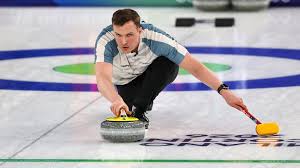
Today’s Olympic programme includes men’s and women’s team events and, since PyeongChang 2018, mixed doubles. Team events feature four players per side, while mixed doubles pairs one male and one female athlete. Competitions typically use a round‑robin preliminary phase followed by playoffs and medal games. Matches centre on tactical stone placement and sweeping, with teams aiming to score points by positioning stones closer to the button than their opponents.
Qualification and governance
Qualification for the Games is managed through World Curling Federation events: World Championships, Olympic Qualification Events and continental allocations determine which nations earn Olympic berths. The World Curling Federation also oversees rules, impartial officiating and ongoing updates to playing standards and equipment regulation.
Recent trends
Media coverage and grassroots participation have grown, helped by the appeal of mixed doubles and by improved broadcast storytelling of strategy and shot‑making. Technological improvements in ice preparation and analytics increasingly inform coaching and in‑game decisions.
Conclusion: Significance and What to Expect
As the Winter Olympics approach Milan‑Cortina 2026, curling remains a dynamic discipline blending tradition with innovation. Fans can expect tight international competition, continued emphasis on mixed doubles and further use of technology in training and coverage. For viewers and emerging athletes, the Olympic platform will continue to drive interest and investment in curling worldwide.