

Curling Power Play: How It Shapes Mixed Doubles Strategy
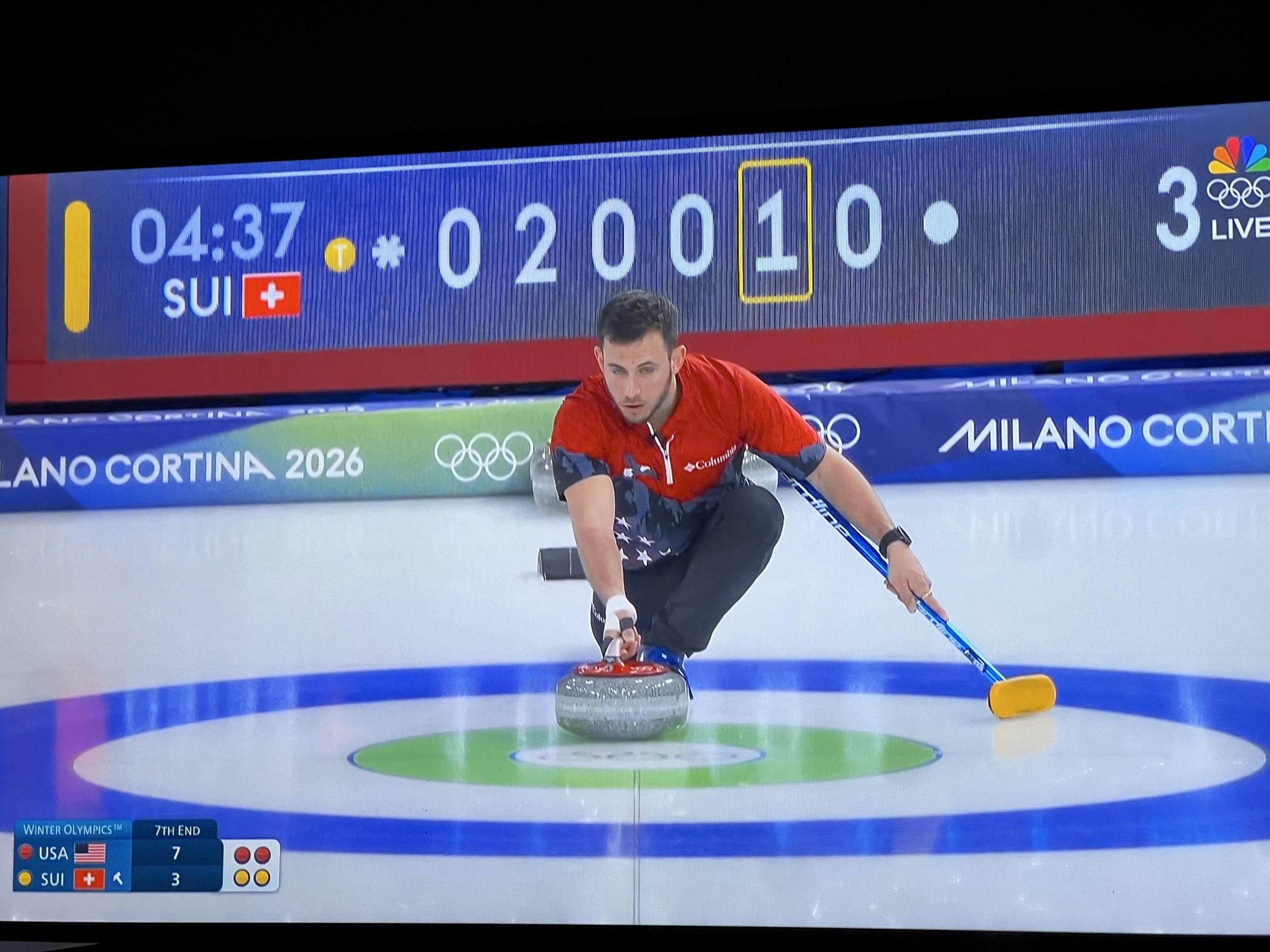
Introduction: Why the curling power play matters
The curling power play is a tactical option in mixed doubles that has become central to how teams approach ends and scoring. As mixed doubles continues to grow in popularity at international and national levels, understanding the power play’s role is important for players, coaches and fans. It can change the geometry of an end, create chances for multiple points and force opponents into unfamiliar positional problems.
Main body: What the power play is and how it is used
Basic concept and timing
The power play allows the team with the last-stone advantage (the hammer) to reposition the pre-placed stones away from the centre line to a corner set-up. This alteration of the standard opening configuration is intended to favour an aggressive, corner-based attack rather than a centre-focused battle. In most competitions teams are permitted to use the power play once per game; rules for extra ends and variations between events can differ, so teams must track usage carefully.
Strategic aims
Teams typically deploy the power play when they seek to score multiple points or to avoid a low-scoring, centre-heavy exchange. By shifting play to the side of the sheet, the power play can open routes for shots behind corner guards and create angles that are harder for opponents to dismantle without leaving counters. Conversely, it can expose the attacking team to takeouts if execution is imperfect, so timing and shot-making precision are critical.
Game management and tactics
Decisions around the power play involve match context—scoreline, ends remaining, and opponent tendencies. Some teams reserve it for late ends to chase or protect a lead; others use it earlier to seize momentum. Because it is a limited resource, coaches often plan scenarios where the power play maximises scoring potential while mitigating risk.
Conclusion: Impact and outlook for readers
The power play has added a tactical layer to mixed doubles curling, rewarding creativity and precise execution. For spectators, it increases the variety of strategies on display; for participants, it demands situational awareness and disciplined shot-making. As the discipline evolves and more teams refine when and how to deploy the power play, its influence on match outcomes and team tactics is likely to remain strong.