
Introduction: Why Fantasy Football Matters
Fantasy football is a popular form of sport-related gaming that lets supporters manage virtual teams composed of real players. It matters because it deepens fan engagement, creates social competition among friends and colleagues, and encourages attention to fixtures, form and injuries. For many supporters, fantasy football transforms passive viewing into an active, analytical pastime, making every match and player statistic meaningful.
Main Body
How Fantasy Football Works
At its core, fantasy football involves selecting a squad from a pool of real players within a budget or pick system. Players earn points for performances in actual matches, such as goals, assists and clean sheets, while negatives are applied for missed chances or disciplinary issues. Competitions can run for an entire season or be short-term contests lasting a single matchday.
Formats and Management
Common formats include season-long leagues and daily or weekly contests. Season-long formats often use drafts or auctions at the season start and include waivers and trades to adjust squads over time. Daily formats reset more frequently, emphasising short-term form and match-up selection. Effective management requires balancing long-term planning with weekly attention to fixtures, rotations and injuries.
Key Strategies
Successful managers focus on squad balance, fixture difficulty, rotation risk and player form. Monitoring injuries and suspensions is essential, as is using available transfers and substitutions wisely. In draft formats, value-picking—choosing high-upside players at lower cost—and diversification across teams and positions can reduce the impact of unexpected absences.
Tools and Trends
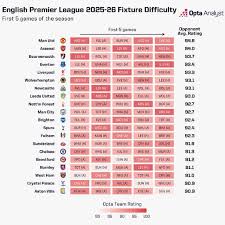
Managers commonly use statistics, fixture difficulty charts and community advice to guide decisions. Increasingly, data analytics and algorithmic projections are used to identify undervalued players and predict performance swings. Mobile apps and platform features such as live scoring, trade blocks and private leagues make participation accessible and social.
Conclusion: Significance and Outlook
Fantasy football continues to be an accessible way to engage with the sport, blending strategy, knowledge and social interaction. As analytics tools and platform features evolve, managers who combine sound fundamentals with timely information will be best placed to succeed. Whether a newcomer or an experienced player, careful planning and attention to real-world developments remain the most reliable path to consistent results.