

How the championship table shapes a season
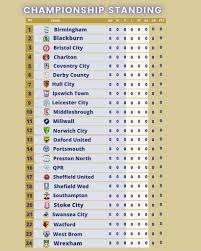
Introduction: Why the championship table matters
The championship table is a central reference point across competitive leagues and tournaments. It summarises team performance, determines promotion, relegation or qualification, and provides a shared narrative for clubs, players and supporters. Understanding the table’s structure and significance helps readers follow a season more closely and appreciate the consequences of individual matches.
Main body: Structure, functions and practical impacts
How the championship table is organised
Most championship tables present teams in order of aggregate results across a season. Typical columns include matches played, wins, draws, losses and a points total. Secondary metrics such as goal difference or head-to-head records are often used to separate teams level on points. The precise rules vary between competitions, but the core idea is to provide a concise, comparable measure of performance.
What the table determines
The table frequently drives key outcomes. At season end it may decide champions, promotion to a higher division, qualification for other tournaments, or relegation to a lower tier. During the season it influences managerial decisions, transfer strategies and match tactics as clubs respond to their position and objectives indicated by the table.
Effects on stakeholders
Fans use the championship table to track progress and set expectations; media outlets rely on it for reporting and analysis; club executives and coaches use it to assess competitiveness and inform planning. For players, movement up or down the table can affect morale, contract negotiations and selection. Betting markets and commercial partners also view the table as a dynamic indicator of value and risk.
Conclusion: Implications and outlook for readers
The championship table is more than a scoreboard: it is a decision-making tool and a storytelling device that shapes a season’s trajectory. Readers should watch both points totals and secondary metrics, especially in close contests where tiebreakers matter. As a season progresses, small changes in form can have outsized effects on final positions, so the table is a useful lens for short-term form and long-term planning alike. Whether following a local league or a larger competition, keeping the championship table in view helps interpret results and anticipate the stakes of each fixture.