Why the Championship Table Matters
The championship table is the central reference for any league competition, summarising performance, determining success and directing club strategy. For supporters, players and executives alike, the table translates individual match results into a clear hierarchy that decides promotion, relegation and qualification for cups. Its relevance stretches beyond simple rankings: it influences transfer plans, managerial decisions and the financial outlook of clubs.
Main Details: How a Championship Table Works
Points and Ranking
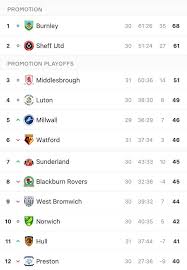
At its core, the championship table orders teams by points accrued from match results. A standard points system rewards victories and draws, with losses offering no points. When teams are level on points, commonly used tie-breakers include goal difference, goals scored and head-to-head records. These rules vary by competition but serve the same purpose: to produce an unequivocal ranking.
Tie-breakers and Fair Play
Competitions often publish a hierarchy of tie-breakers to avoid ambiguity. Goal difference is a widespread first resort, measuring the balance between goals scored and conceded. If equality persists, competitions may consider goals scored, head-to-head records, or even disciplinary records and play-offs. Clear tie-breaker rules are essential late in the season when positions have significant consequences.
Seasonal Impact
The championship table shapes decision-making throughout a campaign. Clubs near the top may prioritise consolidation or aggressive recruitment to chase titles and continental places. Mid-table teams often weigh the cost of attacking promotion against the security of maintaining their position. Those near the bottom face pressure to avoid relegation, which can trigger managerial changes or tactical shifts. For stakeholders, the table is both scoreboard and strategy board.
Conclusion: What Fans Should Watch
As the season progresses, the championship table offers a concise snapshot of evolving fortunes. Small margins—one goal, one match—can rearrange positions and change prospects for promotion or survival. Fans and clubs should monitor not only points but the underlying indicators such as goal difference and fixture difficulty. In short, the championship table is more than a list: it is the narrative engine of a season, shaping expectations and decisions until the final matchday.