

How the Winter Olympics Medal Table Works
Introduction: Why the winter olympics medal table matters
The winter olympics medal table is a concise snapshot of national performance at the Winter Olympic Games. Beyond headlines and national pride, the medal table matters for athletes, federations and policymakers: it influences funding decisions, shapes historical records and provides a simple way for the public to follow progress day by day. Understanding what the table shows — and what it does not — is essential for readers who want an accurate view of Olympic success.
How the medal table is compiled
Ranking rules
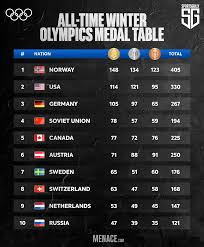
Medal tables are typically ordered by the number of gold medals won by each country, with silver and bronze used as tie-breakers. This gold-first convention prioritises the highest achievement in each event. Some alternative lists present total medals instead, which offers a different perspective on overall depth rather than top finishes.
What counts as a medal
Only medals awarded in official Olympic events are included. Team event medals count once for the nation in the table, regardless of the number of athletes who receive physical medals. Demonstration events and non-Olympic competitions are excluded.
Factors that influence the standings
Several structural and contextual factors shape the medal table. Climate and geography favour nations with established winter-sport traditions and facilities. Investment in athlete development, coaching and technology directly affects competition readiness. Host-nation advantage can also be significant, as familiarity with venues and local support often boost performance. Scheduling and the mix of events — including the addition of new sports or disciplines — will change opportunities for medals between editions of the Games.
Interpreting daily updates
During the Games the medal table changes rapidly. Single events can shift rankings, and early leads may not hold as more events conclude. Readers should treat the table as an evolving summary rather than a final judgement until the closing ceremony. Comparing gold counts and total medals side by side gives a fuller picture.
Conclusion: What the table tells us
The winter olympics medal table is a useful, if simplified, indicator of national performance. It highlights standout achievements and sparks conversation, but it does not capture athlete stories, marginal improvements or long-term development. For readers, the table is best used alongside deeper coverage of individual events and broader analysis of sport funding and systems when assessing Olympic success.