

National League Standings: What the Table Tells Us
Introduction
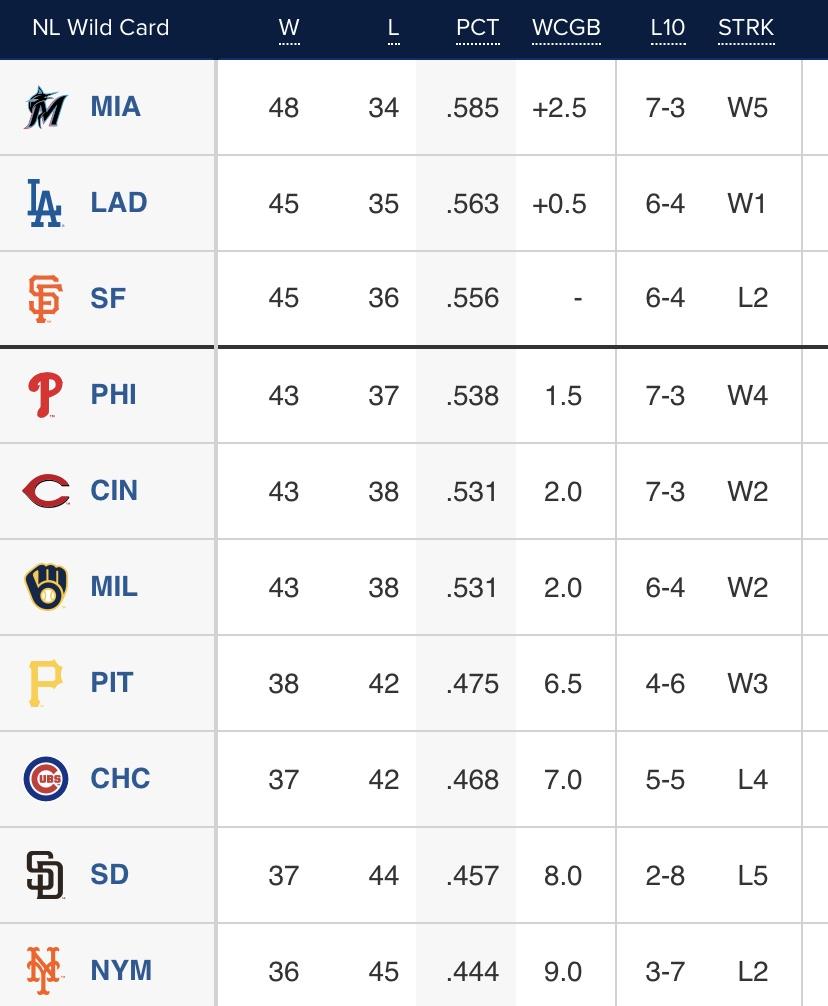
National league standings are a central reference for clubs, players and supporters across the football pyramid. The league table summarises performance over a season and directly affects promotion, relegation, seeding and qualification for cup competitions. Understanding how standings are compiled and interpreted is important for fans tracking their club’s prospects, for clubs planning strategy, and for stakeholders evaluating financial and sporting outcomes.
Main body
How standings are determined
Standings are usually based on points accumulated from match results: three points for a win, one for a draw and none for a defeat. When teams have equal points, common tie-breakers include goal difference, goals scored and head-to-head records, though the exact order varies by competition rules. Disciplinary records or play-offs can also be used in exceptional circumstances. Points deductions, fixture postponements and abandoned matches may alter a team’s position and are applied according to the league’s regulations.
Why the table matters
The position in the table determines key outcomes. Top-ranking clubs typically compete for promotion to higher divisions or for play-off places, while those near the bottom risk relegation to a lower tier. League position influences revenue streams such as broadcasting allocations, sponsorship deals and matchday income. It also affects recruitment, as players and managers consider a club’s competitive standing when deciding on transfers or contracts.
Practical effects during a season
Standings drive match significance: fixtures between clubs close in the table can have outsized consequences on promotion or survival hopes. Fixture congestion, cup runs and injuries often create fluctuations in the table and require careful squad management. Fans and analysts monitor not only current position, but also form, remaining fixtures and goal statistics to estimate likely end-of-season outcomes.
Following updates
Official league websites, club communications and accredited sports media provide timely table updates. Many fans use live score services and apps to track changes in real time, particularly on matchdays when positions can shift with every result.
Conclusion
National league standings offer a compact, data-driven picture of a season’s progress. For readers, recognising how the table is compiled and what it implies can enhance appreciation of individual matches and broader strategic developments. As seasons progress, small shifts in the standings can have large consequences, making regular monitoring essential for supporters, clubs and stakeholders alike.