

Pakistan Women vs South Africa Women: Preview and Significance
Introduction: Why this fixture matters
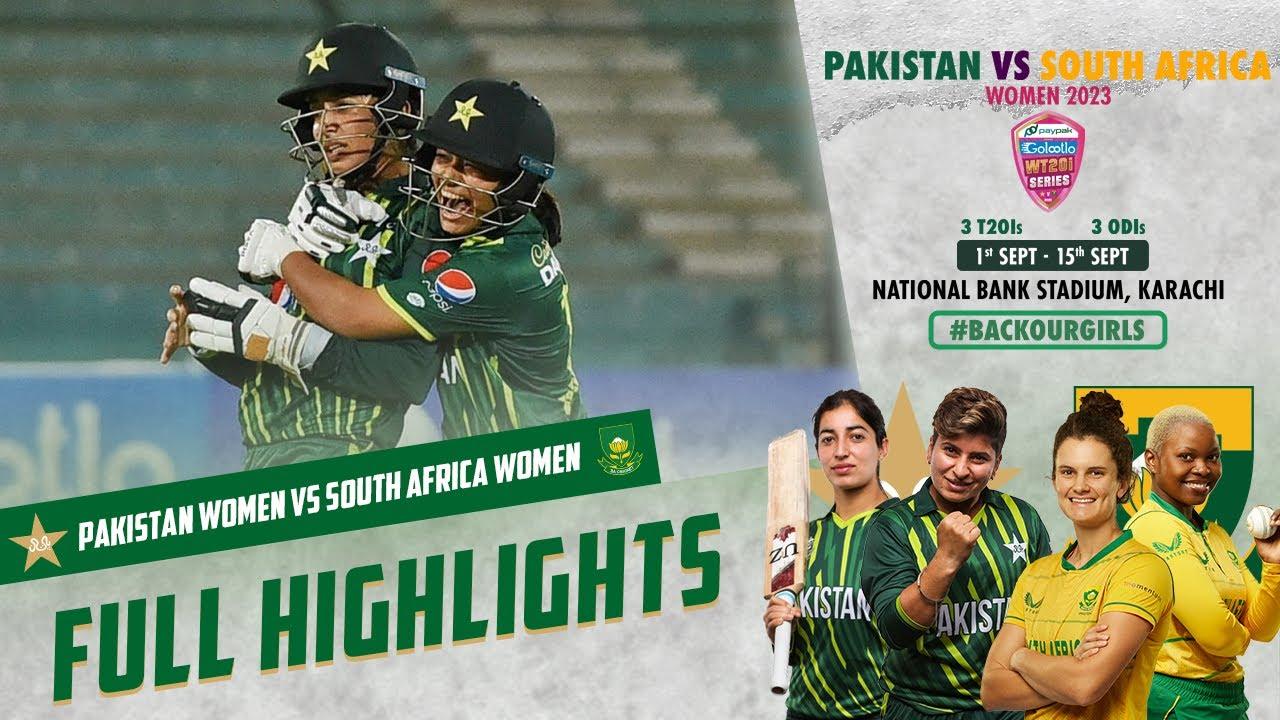
Matches between Pakistan Women and South Africa Women attract attention beyond the scoreboard. They pit two Full Member nations of the International Cricket Council against each other and offer a platform for emerging talent, tactical innovation and wider development of the women’s game. For supporters and administrators alike, encounters between these sides are valuable barometers of progress ahead of global events such as the ICC Women’s World Cup and the T20 World Cup.
Main body: Teams, players and tactical angles
Team backgrounds and recent trends
Pakistan’s women’s team has steadily grown in experience through bilateral series and ICC tournaments, producing internationally recognised players and developing all-round depth. South Africa’s women’s side has similarly built a reputation for competitive cricket across formats, backed by a strong domestic structure. Both teams have benefited from increased investment in women’s programmes and more frequent international fixtures.
Key players to watch
Pakistan has produced influential figures such as Sana Mir and Bismah Maroof, while all-rounders like Nida Dar have offered balance and leadership on the field. South Africa fields quality batters and bowlers, with players including Laura Wolvaardt and Marizanne Kapp known for consistency and match-winning contributions. Spin and seam options from both camps shape selection and match plans, depending on conditions.
Tactical considerations
Contests between these sides often hinge on how spin-friendly surfaces are and the effectiveness of pace bowling with the new ball. Pakistan traditionally looks to leverage spin and middle-order resilience, while South Africa frequently relies on top-order solidity and disciplined seam attacks. Fielding standards and depth in batting can be decisive in closely fought matches.
Conclusion: Implications and outlook
Fixtures between Pakistan Women and South Africa Women serve multiple purposes: competitive results, player development and fan engagement. For selectors and coaches, these matches provide data to inform selection for major tournaments; for players, they are opportunities to cement international careers. As women’s cricket continues to expand globally, encounters like this will play a key role in raising standards, building rivalries and inspiring the next generation of cricketers.