

Patrick Reed: Career overview and current status
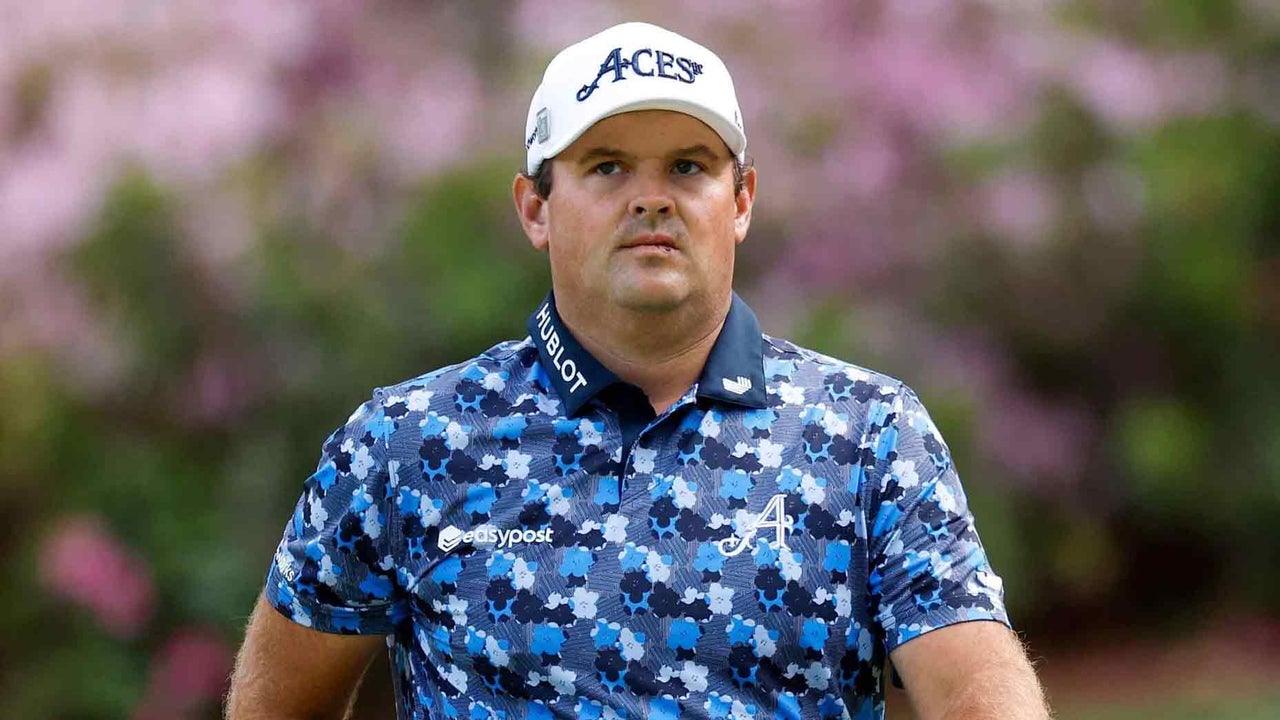
Introduction: Why Patrick Reed matters
Patrick Reed is one of the most recognisable names in professional golf. His 2018 Masters Tournament victory elevated him into the sport’s elite, while subsequent results and high-profile moves have kept him in the headlines. Reed’s career touches on several key issues for golf fans and observers: major championship success, team competition, the shifting landscape of professional tours and debates over player conduct and governance.
Main body: Career highlights and recent developments
Reed established himself as a top-level competitor with multiple victories on the PGA Tour, the pinnacle being his triumph at Augusta National in 2018. That major win remains the defining moment of his career and a reference point for his on-course ability, especially under pressure.
Beyond individual tournaments, Reed has been a regular presence in international team events, representing the United States in matches such as the Ryder Cup and the Presidents Cup. His match-play performances and competitive demeanour have often made him a key selection in those team formats.
In 2022 Reed made a high-profile move by joining the LIV Golf circuit. The switch reflected broader changes in professional golf, as several established players opted for the new series. Reed’s participation in LIV Golf altered his touring status and placed him at the centre of ongoing conversations about the future structure of the sport, players’ choices and the relationships between rival tours.
Throughout his career Reed has attracted both strong support and notable criticism. Observers point to his intensity and willingness to confront pressure, while critics have sometimes questioned aspects of his conduct and on-course behaviour. Those debates have, in turn, fed wider discussions about sportsmanship, rules and media coverage in golf.
Conclusion: What to expect next
Patrick Reed is likely to remain a significant figure in professional golf. Whether viewed through the lens of his major championship pedigree, team-event contributions or his role in the sport’s evolving tour landscape, Reed’s actions and results continue to draw attention. For readers, his career offers a case study in how individual decisions intersect with wider changes in sport; fans should watch his performances on the LIV circuit and any future starts in major championships for further indicators of his form and influence.