

Roland Garros: What to Expect at the French Open
Introduction
Roland Garros, commonly known as the French Open, is one of the four Grand Slam tournaments and a defining event of the clay-court season. Its importance lies in offering a unique challenge distinct from grass and hard courts: the slow surface demands superior endurance, tactical variety and specialised movement. For players, fans and national federations, performance at Roland Garros often shapes narratives for the rest of the season.
Main body
What Roland Garros is
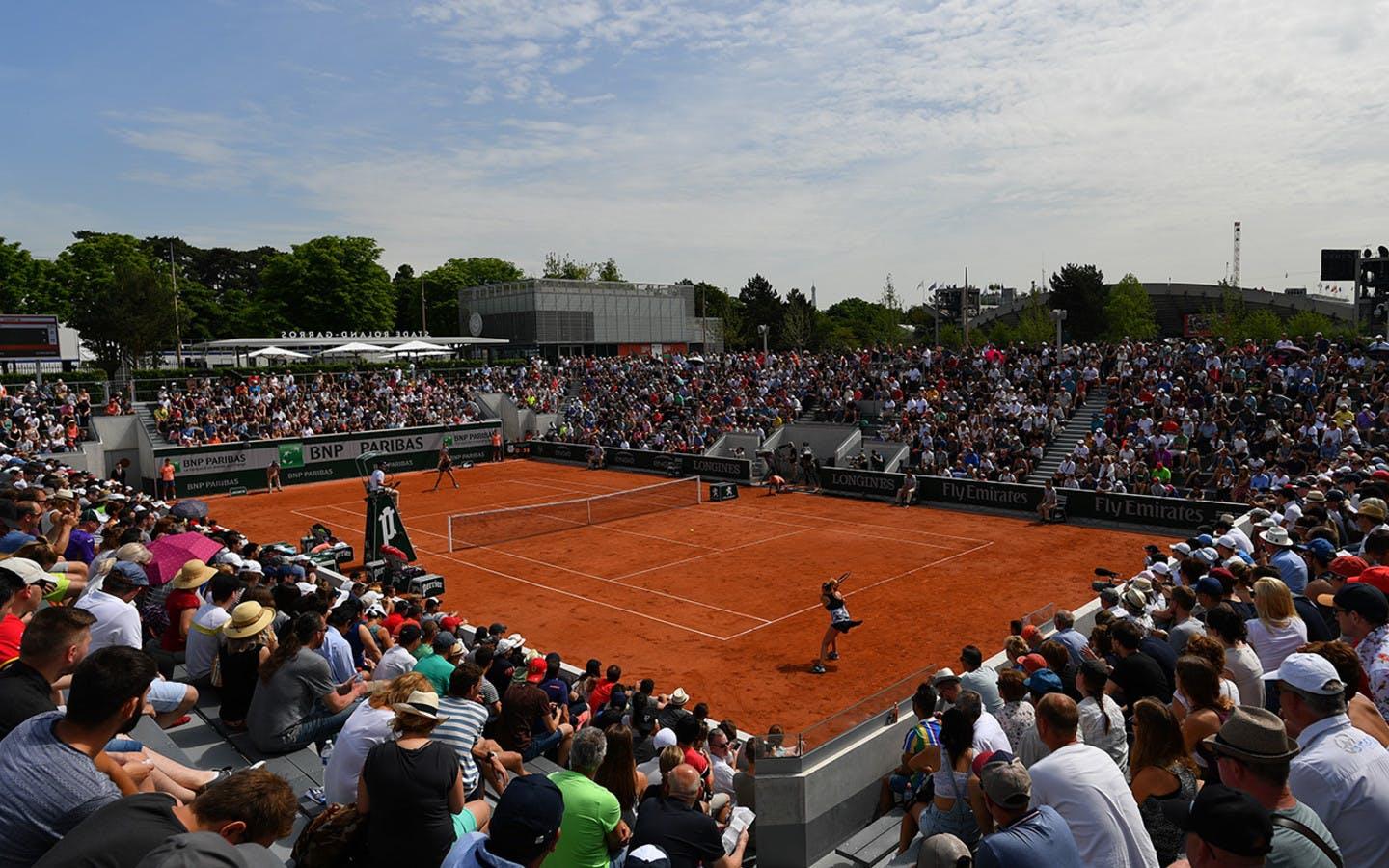
Played annually at the Stade Roland Garros in Paris, the French Open is the only Grand Slam contested on red clay. The tournament stages men’s and women’s singles and doubles, mixed doubles, junior competitions and wheelchair events, making it a comprehensive showcase of tennis talent across categories. Named after the pioneering aviator Roland Garros, the event has long been synonymous with gritty, baseline-oriented tennis.
Clay-court characteristics and impact on play
The clay at Roland Garros slows the ball and produces a higher, more predictable bounce than faster surfaces. That combination lengthens rallies and changes tactical priorities: players who construct points patiently, defend skilfully and slide efficiently are often favoured. Matches can be physically demanding, increasing emphasis on stamina and recovery. Clay also rewards topspin and strategic variety, allowing competitors to exploit angles and depth more frequently than on other surfaces.
Place in the tennis calendar
Roland Garros typically follows a series of clay-court lead-up events across Europe. Those tournaments give players an opportunity to adapt their game and manage form ahead of Paris. Success at Roland Garros carries ranking implications and can define a season; Grand Slam titles remain the most valuable achievements in professional tennis, and the French Open’s distinct conditions ensure that results there are particularly telling about a player’s versatility.
Conclusion
As a singular test within the Grand Slam rota, Roland Garros rewards adaptability, patience and physical resilience. Observers should expect longer rallies, strategic point construction and opportunities for clay specialists and rising talents to make an impact. For readers and fans, the tournament offers not just headline matches but insights into how different styles translate across surfaces—an important barometer for the rest of the tennis year.