Former NHL Enforcer Takes Unexpected Stance
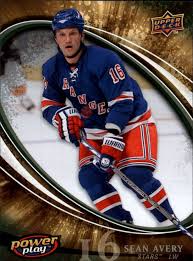
Former hockey pro Sean Avery has said he thinks the steamy LGBTQ+ hockey show Heated Rivalry could be the key to supporting a gay National Hockey League (NHL) player coming out in the future. The controversial 45-year-old former player, known for his aggressive on-ice behaviour during his 12-season NHL career, recently gave an interview discussing the representation of LGBTQ+ individuals in professional hockey.
Avery revealed in an interview with Rolling Stone that he is unaware of any gay players within the NHL during his time. He stated, “That being said, I do think I must have had a gay closeted teammate at some point in my career.” His comments have sparked renewed conversation about visibility and acceptance in one of professional sport’s most traditionally masculine environments.
Mixed Reception to Avery’s Commentary
Avery shared mixed feelings about the series, citing the hockey as subpar. He humorously referred to it as “the worst hockey show ever made” but appreciated it as “the most incredible gay hockey show ever made.” Despite his support for LGBTQ+ representation, many are happy with Avery’s comments, though some have said they’d prefer a different voice from the hockey world to speak on the show.
The scepticism surrounding Avery as a spokesperson stems from his controversial past. Avery has been embroiled in several controversies throughout his career, both on and off the ice. He was suspended after making misogynistic comments, one of which ended his career at the Dallas Stars.
Beyond Hockey: New Creative Ventures
Since retiring from professional hockey in 2012, Avery has pursued diverse interests. This year, Sean Avery expanded his storytelling with a new hockey romance book titled “Summer Skate,” co-authored with Leslie Cohen. Fans of the genre can find it available for purchase on Amazon. He’s had bit parts in such films as Oppenheimer and Happy Gilmore 2.
Avery’s comments on Heated Rivalry and LGBTQ+ representation have reignited important discussions about inclusivity in professional hockey, even as his troubled personal history complicates his role as an advocate. Whether his support will genuinely help pave the way for openly gay NHL players remains to be seen, but the conversation itself marks progress in a traditionally conservative sporting culture.