

Shay Given: Career Highlights and Apology Over BBC Remark
Introduction
Shay Given remains a prominent figure in British and Irish football, both for his long playing career and his ongoing media appearances. Coverage of his recent apology for language used on air highlights the intersection of sport, broadcasting and public responsibility. The incident is relevant to fans and media professionals alike because it raises questions about commentary standards and the impact of public remarks by high-profile former players such as Shay Given.
Main developments
Background and career highlights
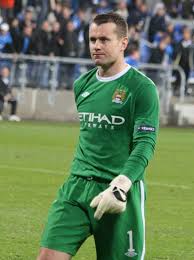
Shay Given was born on 20 April 1976 in Lifford, County Donegal, Ireland. As a goalkeeper he enjoyed a high-profile career in the Premier League, winning FA Cup and Football League titles and amassing 134 caps for the Republic of Ireland. Beyond his playing career, Given has appeared as himself on football programmes, including Match of the Day.
Apology following on-air comment
Given, 49, apologised after describing Wilfried Nancy’s short tenure as Celtic manager as an “absolute Holocaust” while speaking live on the BBC show Final Score. The remark came as he was asked to give his view on Nancy’s sacking after 33 days and eight games in charge of the Scottish champions. Given said the tenure “was terrible from start to finish” before using the insensitive language.
Response and context
Afterwards, Given issued an “unreserved” apology, saying he was “genuinely mortified” and would donate his fee from that day’s show to the Holocaust Educational Trust. Final Score presenter Jason Mohammad later apologised on air for the “inappropriate language” used. The incident occurred against the backdrop of Nancy’s dismissal following a 3-1 defeat by Rangers — reported as his sixth loss in eight games — and highlights how rapid managerial changes in football can prompt strong, sometimes ill-judged, commentary.
Conclusion
The episode underlines the responsibilities that fall on ex-players and pundits when speaking in public forums. For Shay Given, the public apology and donation represent an immediate attempt to address the harm caused by his choice of words. For broadcasters and audiences, the incident may prompt renewed attention to editorial standards and the training of contributors. Readers should expect further scrutiny of on-air commentary and possible follow-up from broadcasters as they balance robust discussion of football with sensitivity to historical and cultural references.