

Torvill and Dean: How ‘Bolero’ changed ice dancing
Introduction: Why Torvill and Dean matter
Torvill and Dean are one of Britain’s most recognisable sporting partnerships. Their 1984 Olympic free dance, set to Maurice Ravel’s Bolero, became a global sporting moment, elevating ice dancing from a niche discipline to mainstream cultural conversation. Understanding their achievement and continuing influence helps explain why British figure skating still measures itself against their seam of creativity and showmanship.
Main body: Key facts and continuing influence
From Nottingham to Sarajevo
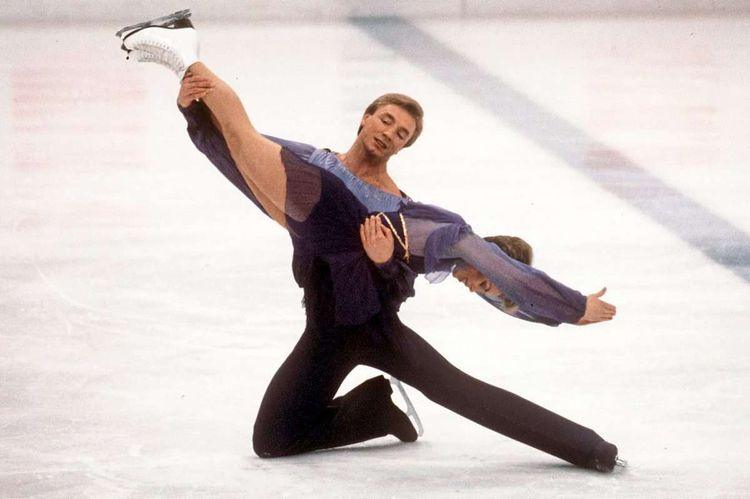
Jayne Torvill and Christopher Dean began skating together as teenagers in Nottingham and developed a partnership noted for precision, innovation and theatricality. At the 1984 Winter Olympics in Sarajevo they delivered a free dance to Bolero that combined intricate footwork, close unison and dramatic choreography. The performance earned them the gold medal and unanimous highest marks from judges for artistic impression, a result widely reported and remembered across the sporting world.
Professional career and public life
After Sarajevo the pair pursued a professional career, touring with ice shows and bringing theatrical ice dance to wider audiences. Their combination of technical skill and narrative choreography influenced how programmes are constructed at all levels of the sport. Beyond the rink, Torvill and Dean have been visible figures in British media and in events promoting winter sport, helping to keep ice dancing in public view between Olympic cycles.
Impact on British skating
Their legacy can be seen in the ambitions of subsequent British skaters and in the emphasis coaches place on storytelling and musical interpretation. Many judges and commentators continue to reference the standards set by their Sarajevo performance when discussing programme construction and performance quality.
Conclusion: What readers should take away
Torvill and Dean remain a benchmark for excellence in ice dancing. Their 1984 Bolero performance not only brought Olympic gold but also reshaped expectations about artistry in the sport. For readers interested in British sport, culture or the development of figure skating, the duo’s career underlines how a single, distinctive performance can have a lasting impact on both a discipline and its public perception. As interest in winter sports grows, their influence will likely continue to be a reference point for athletes and audiences alike.