

Understanding the EFL Championship standings
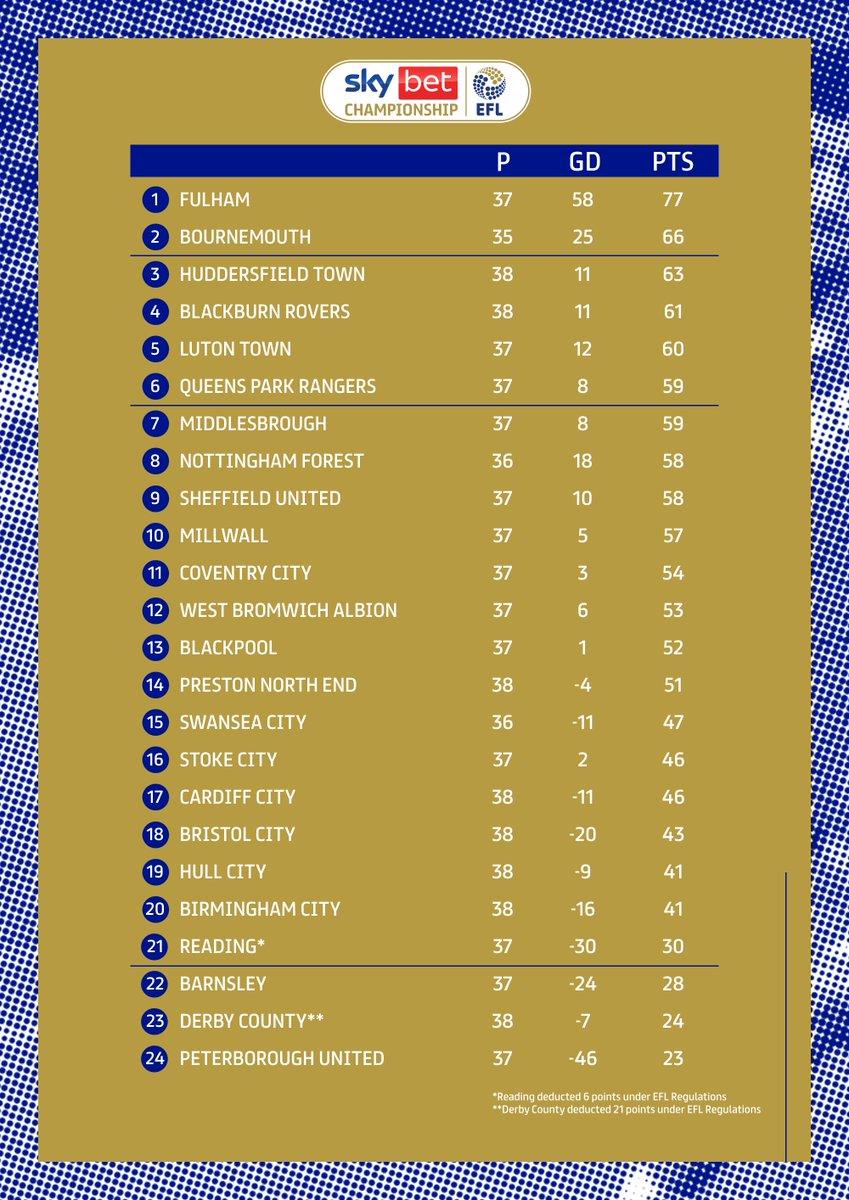
Introduction: Why EFL Championship standings matter
The EFL Championship standings are the single most important snapshot of form, ambition and consequence in England’s second tier of professional football. They determine which clubs will compete in the Premier League, which will face the drop to League One and which will be involved in the high-stakes play-offs that can transform a club’s finances and profile. For supporters, journalists and club boards alike, the table provides an immediate measure of progress and pressure throughout the season.
Main body
How the standings are calculated
The Championship table ranks clubs primarily by points: three points for a win, one for a draw and none for a defeat. If teams are level on points, goal difference is the usual tiebreaker, followed by goals scored and, if necessary, further criteria set by the competition rules. The standings are updated after every round of fixtures, offering a dynamic picture as clubs move up and down the table.
Promotion, play-offs and relegation
The structure of the Championship gives the table enormous consequences. The top two clubs at the end of the regular season earn automatic promotion to the Premier League. Clubs finishing third to sixth enter a play-off series — semi-finals and a final at a neutral venue — to decide the third promoted side, often referred to as the most lucrative match in football. Conversely, the teams finishing in the bottom three places are relegated to League One, impacting budgets, player recruitment and supporter expectations.
What the standings reveal during a season
Beyond promotion and relegation, the standings help identify emerging trends: a club on a winning run, a side struggling away from home, or those whose goal difference masks deeper issues. They influence managerial decisions, transfer-market strategies, and fan sentiment. Mid-season turning points such as the January transfer window can quickly reshape the table, while fixture congestion and injuries often create rapid movement in league positions.
Conclusion: What readers should take away
The EFL Championship standings are more than a list of names and numbers; they encapsulate a season’s narrative. Keeping an eye on the table offers insight into which clubs are genuine promotion contenders, who may face a tough fight for survival, and where momentum is shifting. For fans and stakeholders, regular updates to the standings guide expectations and decisions — from ticket demand to recruitment priorities — making the table essential reading throughout the campaign.