

Understanding the Nordic Combined Team Sprint
Introduction: Why the Nordic combined team sprint matters
The nordic combined team sprint is a distinctive event that blends ski jumping and cross-country skiing in a team format. Its hybrid nature tests both explosive power and endurance, and it has grown in importance as nations seek events that reward versatility and teamwork. Spectators and national programmes value the team sprint for its fast-paced, tactical racing and its role in developing all-round athletes.
Format and rules of the event
The team sprint involves pairs of athletes representing the same nation. The competition begins with ski jumping, where each athlete performs a jump and accrues points for distance and style. Those jumping results are converted into staggered start times for the cross-country phase using the Gundersen method, so better jumping performance yields an earlier start advantage.
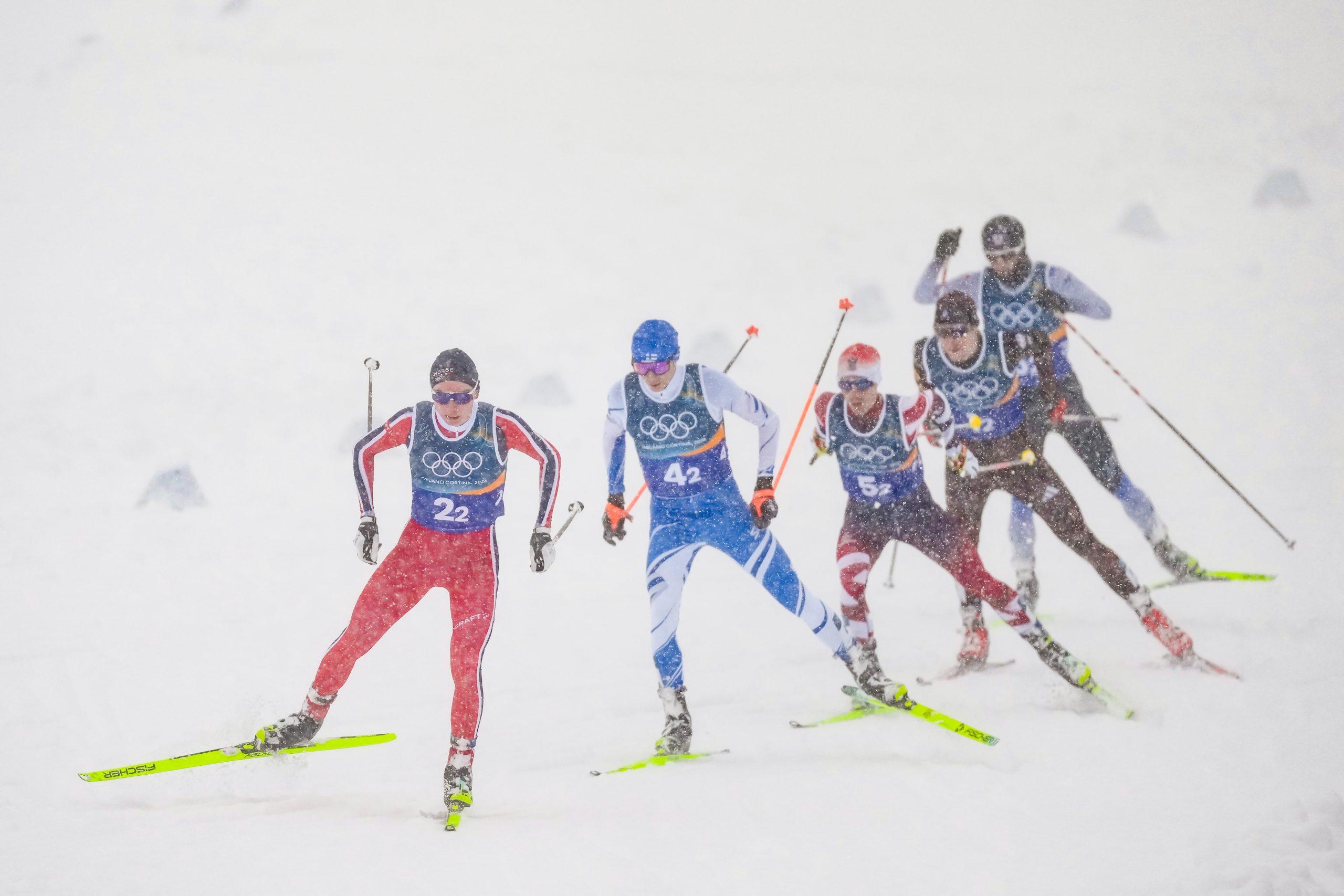
In the cross-country leg, team members alternate laps in a relay-style sprint. Exchanges between teammates are frequent and require precise timing and coordination. The course is relatively short and intense, favouring athletes who can recover quickly between efforts and execute fast changes of pace. The format rewards balance: teams must combine strong jumping technique with sharp, tactical skiing to reach the podium.
Events, tactics and athlete development
Tactically, teams must decide how to deploy their athletes — whether to lead early to defend a jumping advantage or to conserve energy for decisive final laps. Transitions and positioning are critical, as the race often comes down to sprint finishes. For national programmes, the team sprint is a valuable tool for developing athletes who can perform across both disciplines and for giving experience to emerging skiers in high-pressure settings.
Conclusion: Significance and outlook for readers
The nordic combined team sprint highlights the unique demands of combined skiing events and provides a compelling spectacle for fans. For athletes and coaches, it emphasises the need for multidisciplinary training and teamwork. As winter sport calendars continue to evolve, the team sprint is likely to remain an important showcase for nations that cultivate versatile nordic skiers, while offering spectators dynamic, close-fought racing.