

Understanding the Olympic Medal Table: What Rankings Mean
Introduction: Why the olympic medal table matters
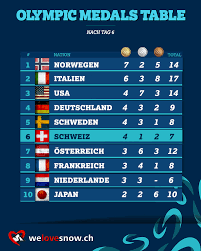
The olympic medal table attracts intense public and media attention during every Olympic Games. Beyond national pride, the table influences funding, athlete recognition and sporting policy. For viewers and policymakers alike, understanding how the table is compiled and what it does — and does not — reveal is essential to interpreting headline rankings and assessing performance.
Main body: How the table is compiled and why it sparks debate
How rankings are determined
Most broadcasters and news outlets rank countries by the number of gold medals first, followed by silver and bronze as tie-breakers. This gold-first approach emphasises top podium finishes. Some outlets alternatively present total medal counts, which can favour nations with broader medal distribution rather than a concentration of golds. It is important to note that the International Olympic Committee (IOC) does not officially publish a single “ranked” table; different presentations are a product of editorial choice.
Ties, mixed teams and neutral athletes
Ties are handled by listing equal-ranking nations jointly, with subsequent ranks adjusted accordingly. Mixed-nationality teams and athletes competing under neutral flags complicate national totals and are typically listed separately. These nuances are relevant when comparing year-to-year performance or compiling historical statistics.
Why the table matters beyond medals
Medal tables inform government and sponsor investment decisions, shape public perception and can influence athlete selection and development programmes. Analysts also use alternative measures — medals per capita, medals per GDP or medals per athlete — to provide a more nuanced view of national sporting efficiency and depth.
Conclusion: What readers should watch and expected trends
As Olympic coverage continues to evolve with live, interactive medal trackers and data visualisations, readers should look beyond simple rankings. Expect the table to remain a headline driver, but consider complementary metrics for context. In coming Games, shifts in national strategies, investment and emerging sports will likely produce dynamic changes in the olympic medal table, making both short-term drama and long-term trends worth following for fans, policymakers and sporting organisations.