

Understanding the Premiership Table and Why It Matters
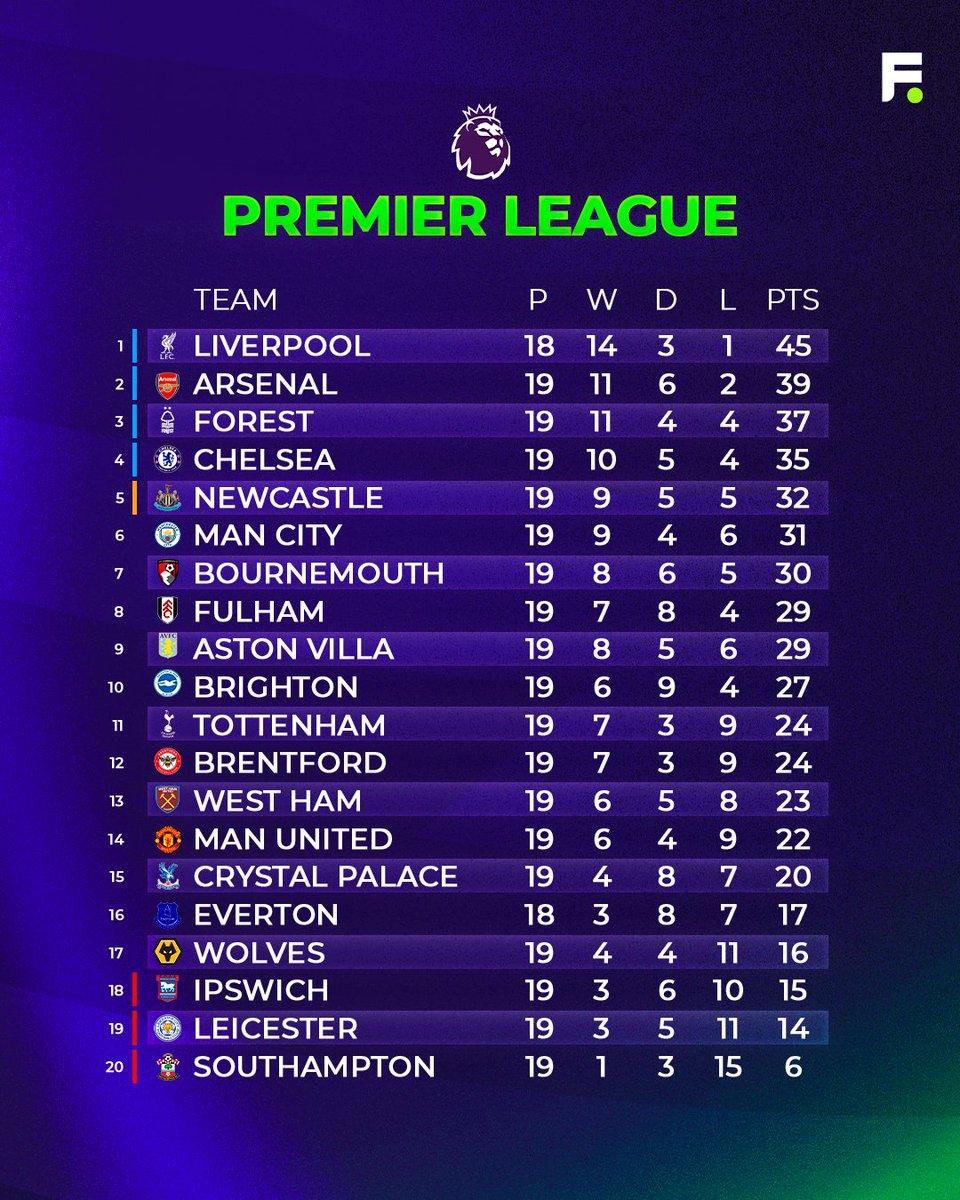
Introduction: Why the premiership table matters
The premiership table is the central snapshot of a domestic top‑flight football competition. It ranks clubs according to results over a season and is the definitive measure of success, shaping title races, European qualification and relegation battles. For supporters, players and club executives alike the table provides both a live narrative of form and a record that determines rewards, penalties and future planning.
Main body: How the table is calculated and its effects
How standings are decided
Standings in a typical premiership table are determined primarily by points: three for a win, one for a draw and none for a defeat. If teams are level on points the usual tiebreaker is goal difference and then goals scored. These straightforward rules mean that both results and scoring margins over the course of the season carry importance.
What is at stake
The table determines several key outcomes at season’s end. The club at the top is declared champion. The highest‑placed teams usually secure places in continental competitions, bringing prestige and significant revenue. At the other end, the lowest‑placed teams face relegation to a lower division, with material consequences for finances, squad planning and sponsorship. Mid‑table positions can still be consequential, affecting qualification for cups, player contract clauses and managerial job security.
Drivers of movement in the table
The premiss of a premiership table is simple, but movement within it is driven by many factors: injuries, fixture congestion, form, transfer activity and managerial changes. Small margins—an extra goal scored or a single clean sheet—can prove decisive when positions are separated by goal difference. Fans and analysts therefore track not only points but also underlying metrics such as expected goals, defensive records and recent form.
Conclusion: Significance and outlook
In short, the premiership table is more than a list; it is the organising principle of a season. It translates week‑by‑week performance into long‑term consequences that affect sporting success and financial health. As a season unfolds, every match can reshape the standings, making the table a constantly evolving story that determines titles, European football and survival. For readers and followers, staying informed about the table gives clear insight into who is likely to prosper and who must respond to avoid costly setbacks.