

Understanding the Winter Olympics Medal Table
Introduction: Why the winter olympics medal table matters
The winter olympics medal table is a closely watched snapshot of national performance at the Winter Games. Beyond simple counts of gold, silver and bronze, the table feeds public interest, media narratives and national sporting strategies. For athletes, federations and viewers alike, the medal table helps frame success, influence funding decisions and generate discussion about the relative strength of different winter sports programmes.
Main body: How the table works and what to watch
How the medal table is compiled
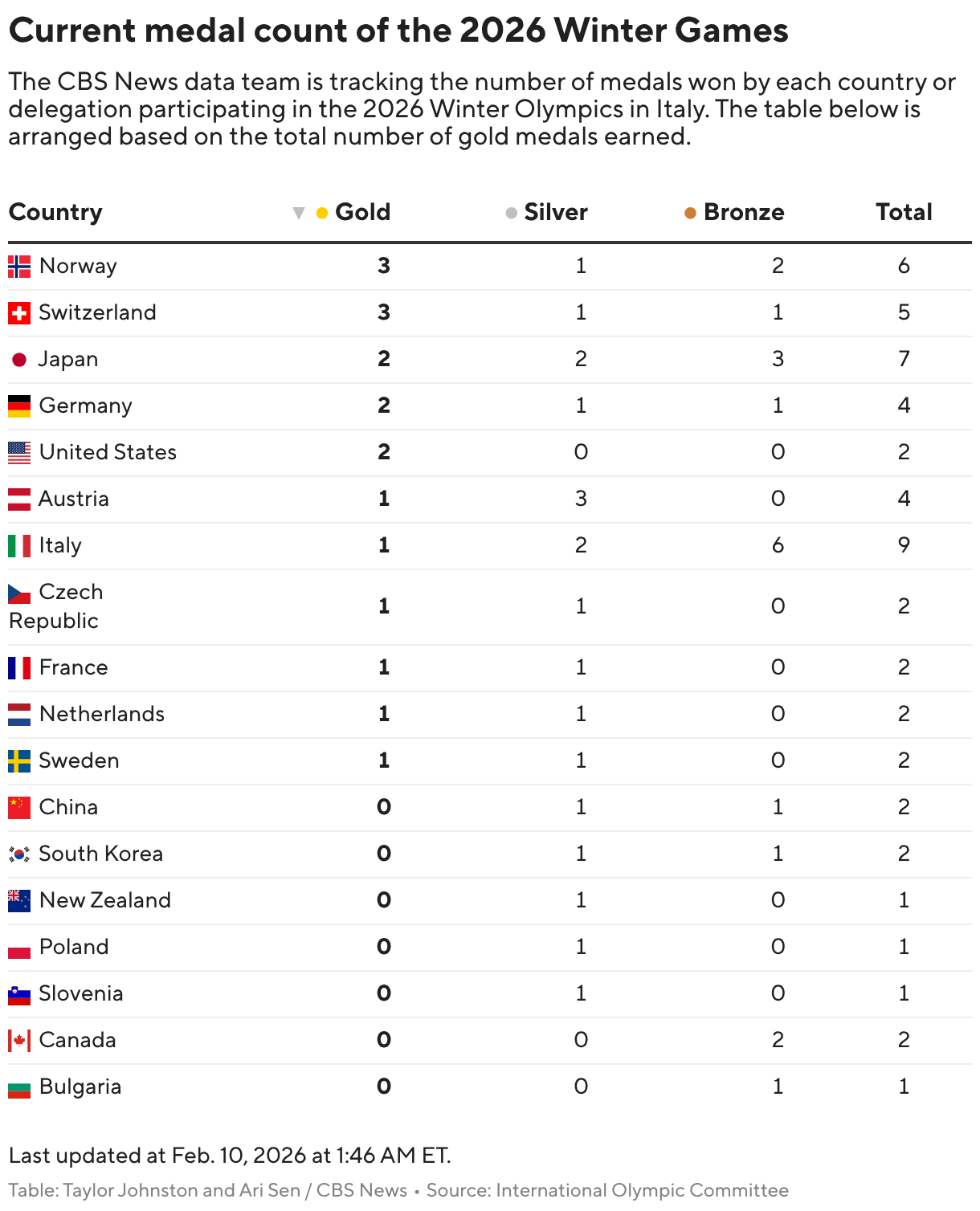
Most public medal tables rank nations primarily by number of gold medals, followed by silver and bronze as tiebreakers. Alternative listings sort by total medals, which can produce different rankings. Official counts are maintained by the organising committee of the Games and the International Olympic Committee (IOC), which also record adjustments after the event for disqualifications or corrected results.
Events shaping the standings
The composition of the olympic programme influences the medal table. New events, mixed-team competitions and the distribution of events across disciplines can shift medal opportunities between nations. Sports with multiple medal events—such as short track, cross-country skiing, biathlon and speed skating—tend to have a larger cumulative effect on a country’s medal haul than single-event sports.
Interpreting the numbers
Medal counts are an imperfect measure of overall sporting strength. Population, investment in winter sport infrastructure, and historical emphasis on particular disciplines all affect outcomes. Analysts sometimes use medals per capita, medals per GDP or medals per athlete to provide alternative perspectives on performance.
Where to find reliable updates
Official and reputable sources provide the most reliable tables: the IOC, the official Games website, national Olympic committees and established broadcasters. These sources reflect post-event adjustments such as doping sanctions or score corrections.
Conclusion: Significance and outlook for readers
The winter olympics medal table will continue to shape public conversation during and after the Games. While it offers a clear, headline-friendly summary of results, readers should consider context—event mix, historical strengths and post-event changes—when interpreting rankings. For those following the Games, tracking official updates from the IOC and the host organising committee will provide the most accurate picture of national standings as the competition unfolds.