

What is the Hammer in Curling? A Clear Explanation
Introduction
The hammer in curling is a fundamental concept that influences tactics, scoring and the flow of a match. Understanding the hammer is essential for players and spectators alike because it determines which team throws the final stone in an end — a decisive advantage that shapes shot selection and game strategy.
What is the hammer?
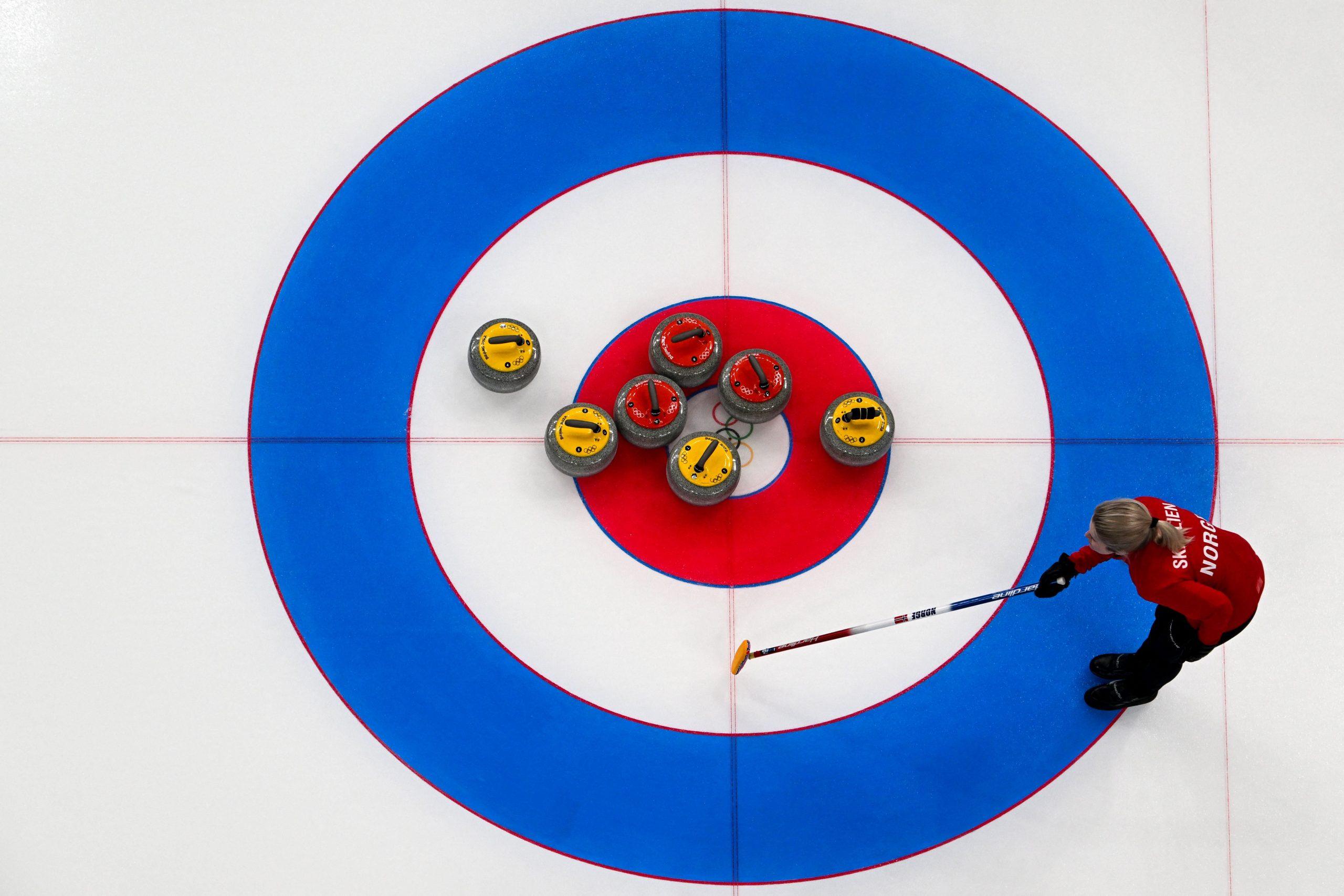
The hammer refers to the right to deliver the last stone of an end. In curling, an end is comparable to an inning in other sports: both teams deliver eight stones each (four per player in most formats). The team with the hammer throws the final stone and therefore has the best opportunity to score or to change the scoring situation late in the end. Because the last stone can be used to draw into the house, remove opponents’ stones, or alter the count, having the hammer is widely regarded as an offensive advantage.
How the hammer is decided
At the start of a game, priority for the hammer is commonly determined by a pre-game draw to the button or a similar procedure where players aim for the centre of the house; the closest stone grants the hammer for the first end. For subsequent ends, possession of the hammer normally shifts according to scoring: if a team scores one or more points in an end, the hammer passes to the opposing team in the next end. If neither team scores — a blank end — the team that held the hammer keeps it into the next end.
Strategic importance
Teams with the hammer typically play more aggressively, setting up guards and drawing stones into scoring positions knowing they have the last-shot opportunity. Conversely, the team without the hammer often adopts a defensive approach aimed at forcing the opponent to take a single point or creating a chance to steal — scoring without the hammer. Retaining or regaining the hammer, or forcing a blank end to keep it, is a common tactical objective throughout a match.
Conclusion
The hammer is a central strategic element in curling because it confers the decisive final shot of an end. Its allocation, determined initially by draw and then by scoring outcomes, shapes how teams plan each end. For players and fans, recognising who holds the hammer clarifies the likely strategies and the stakes of each shot as a game unfolds.