

Winter Olympics: Cheating Risks and Safeguards in Curling
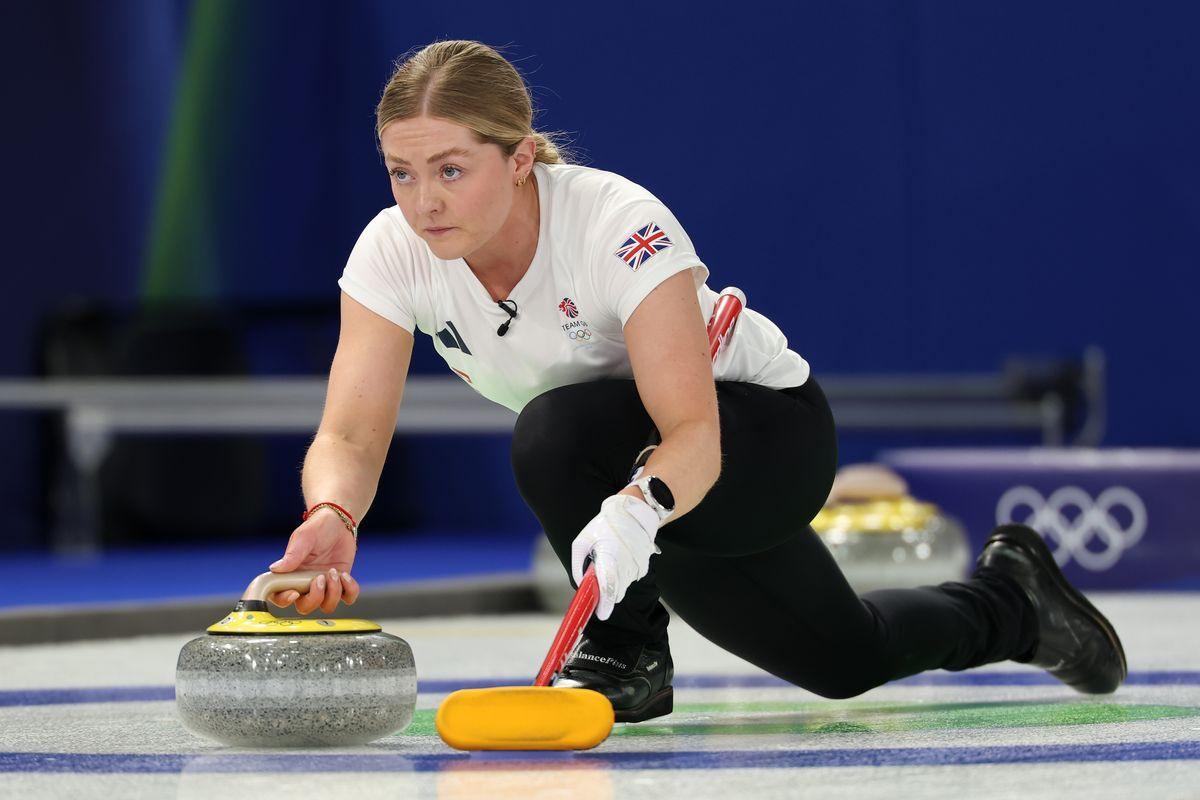
Introduction — Why integrity in curling matters
Curling at the Winter Olympics is celebrated for its strategic nuance and the sport’s tradition of fair play, often called the “Spirit of Curling”. Allegations or instances of cheating can undermine public confidence, affect medal outcomes and damage the reputation of athletes and governing bodies. Understanding how cheating might occur and what measures exist to prevent it is important for athletes, coaches and spectators alike.
Main body — How cheating can occur and how it is policed
Common forms of potential cheating
Curling is a sport of precision where small advantages matter. Potential rule breaches include illegal assistance (coaching or signalling during play), tampering with playing surface conditions or stones, use of non‑compliant equipment and breaches of sweeping regulations. Doping, as in all Olympic sports, is also a concern governed by the World Anti‑Doping Code.
Rules and on‑ice enforcement
The sport is regulated by international and Olympic rules that set out legal equipment and on‑ice conduct. Match officials are present during Olympic competition to enforce those rules, inspect equipment and adjudicate disputes. Timekeeping, the positioning of team personnel and the conduct of sweeping all fall under match supervision.
Technical safeguards and review
Event organisers deploy a range of technical and procedural safeguards. Ice technicians prepare and monitor the playing surface to minimise irregularities. Stones are maintained and inspected for conformity. Competitions use cameras and official scoring systems to record play, allowing match officials to review incidents. Anti‑doping control is routine at the Olympic level.
Culture and education
Beyond rules, curling relies heavily on sportsmanship and peer enforcement. Education of athletes and teams about correct practice and consequences for breaches helps deter misconduct. National federations and the sport’s international body promote fair play as a core value.
Conclusion — Outlook and significance for readers
Protecting integrity in Olympic curling combines clear rules, vigilant officiating, technical monitoring and a culture of fair play. For fans and participants, this ensures competitions are decided by skill and strategy rather than unfair advantage. Looking ahead, continued investment in technology, consistent enforcement and athlete education are likely to remain central to preventing cheating and preserving trust in the sport at the Winter Olympics.