

World Cup 2022: A recap of Qatar’s dramatic tournament
Introduction
The world cup 2022 remained one of the most talked-about sporting events of recent years, notable for its sporting drama, geopolitical significance and off-field debates. Held in Qatar from 20 November to 18 December 2022, the tournament was the first World Cup staged in the Middle East and the first to be held in the Northern Hemisphere winter. Its timing, location and outcome made it an event with lasting impact on international football and broader conversations about hosting major sporting events.
Main events and facts
Tournament overview
The 2022 edition featured 32 teams competing across eight stadiums in five host cities. Matches proceeded through a group stage into knockout rounds, culminating at Lusail Iconic Stadium in Lusail on 18 December. This was the final World Cup to use a 32-team format ahead of the planned expansion for 2026.
The final and key performances
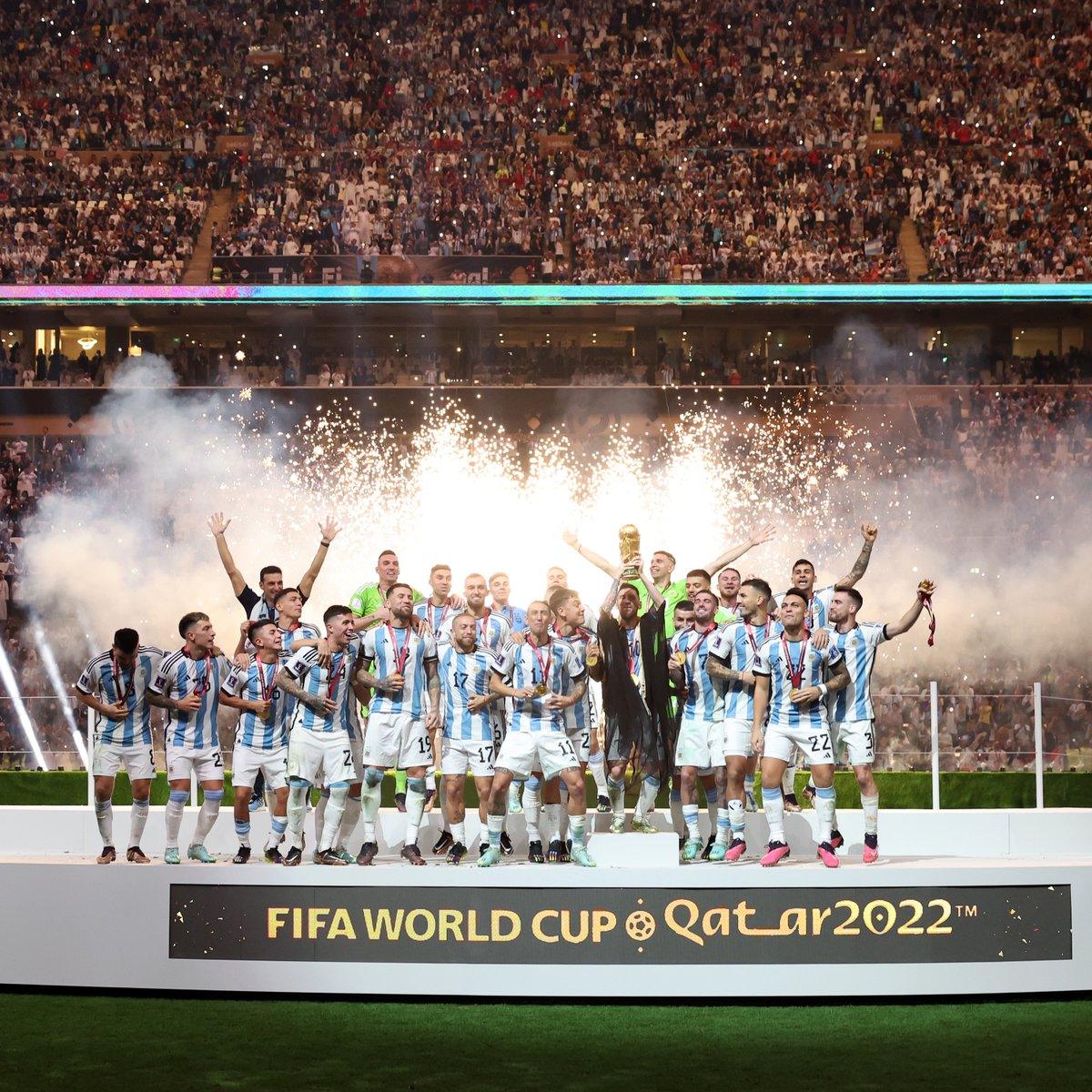
Argentina claimed their third World Cup title, defeating defending champions France in a dramatic final that finished 3-3 after extra time and was decided by penalties, Argentina winning 4-2. Lionel Messi, whose tournament performances were central to Argentina’s success, received the Golden Ball as best player. Kylian Mbappé of France won the Golden Boot with eight goals, including a hat-trick in the final, while Argentina’s goalkeeper Emiliano Martínez won the Golden Glove and Enzo Fernández was named Best Young Player.
Controversies and legacy
The tournament generated debate beyond the pitch. The decision to move the World Cup to November–December addressed Qatar’s summer heat but disrupted domestic leagues worldwide. Human rights and labour issues, particularly the treatment of migrant workers during stadium construction, prompted international scrutiny and calls for reforms. Organisers and Qatari authorities pointed to labour reforms and investment in infrastructure as part of the event’s legacy.
Conclusion and significance
World Cup 2022 will be remembered for its unforgettable final, standout individual performances and its wider political and social context. For fans and analysts, the tournament reinforced Lionel Messi’s status among football’s greats, highlighted the emergence of new talents and underlined the growing scrutiny on hosts of major events. Going forward, the changes in scheduling, hosting expectations and legacy planning are likely to influence how future tournaments are awarded and organised.