

Truth Social: role, business and regulatory outlook
Introduction — why Truth Social matters
Truth Social has become a notable fixture in the media landscape as an alternative social network associated with former US President Donald Trump. Its emergence speaks to broader debates about content moderation, political communication and the commercial prospects of niche platforms. For policymakers, journalists and users, developments around Truth Social offer insight into how politically aligned networks seek to attract audiences and navigate legal and financial scrutiny.
Main body — recent developments and context
History and purpose
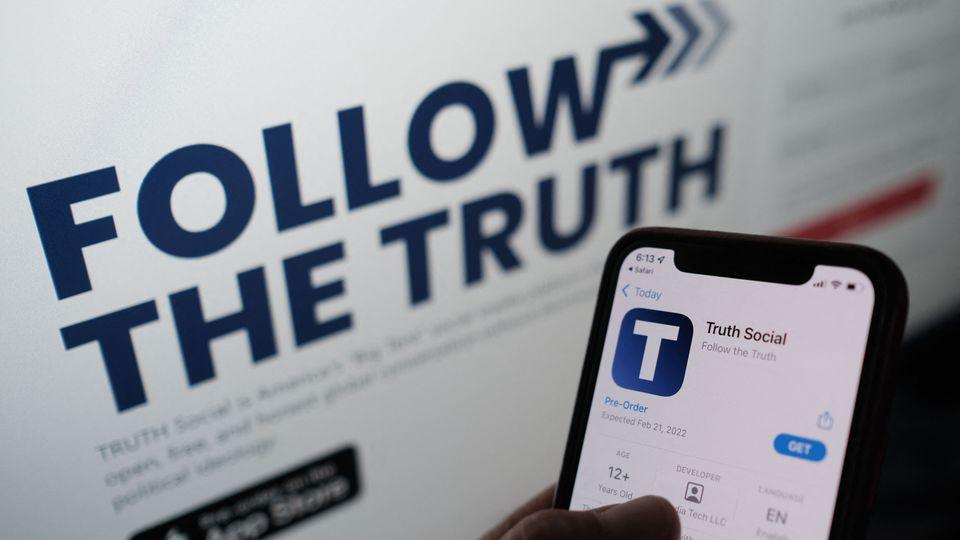
Created under Trump Media & Technology Group (TMTG), Truth Social was launched as a platform positioning itself as a free‑speech alternative to mainstream social media. It gained attention because it provided a venue for voices and messages that had been restricted or removed from larger platforms. The service initially attracted significant public interest and early download spikes as it established its user base.
Business plans and regulatory scrutiny
TMTG announced plans to list publicly through a merger with a special purpose acquisition company (SPAC), and that process attracted regulatory attention. Authorities and market watchers have examined aspects of the merger and the company’s disclosures, while observers have continued to highlight questions about long‑term monetisation, advertising partnerships and revenue generation. The company has discussed various routes to commercial sustainability, but like many politically oriented networks it faces the challenge of converting initial interest into reliable income.
Content moderation and public impact
Truth Social’s moderation policy and content governance remain central to its public profile. The platform’s approach appeals to users seeking fewer restrictions, but it also raises concerns among critics about how misinformation, harassment and extremist content are handled. As with other platforms, decisions on moderation influence public perception, regulatory attention and relationships with app stores and service providers.
Conclusion — outlook and significance for readers
Truth Social’s trajectory will be shaped by its ability to broaden its audience, demonstrate commercial viability and address regulatory questions. For readers, the platform is significant as a case study of how politically aligned networks operate in a crowded digital market and how governments and markets respond to them. Looking ahead, expect continued scrutiny of business deals and governance choices, and close attention to how Truth Social balances growth with compliance and content responsibilities.