

Downdetector: Tracking service outages and what it means for users
Introduction: Why outage monitoring matters
As daily life and business activities become ever more dependent on digital services, timely information about outages is essential. Downdetector, a widely used online platform, aggregates user reports to show real‑time disruptions to internet, telecommunications, streaming and other online services. The site’s role in clarifying whether a problem is local or widespread makes it relevant to consumers, IT teams and journalists alike.
Main body: How Downdetector works and how people use it
Aggregation of user reports
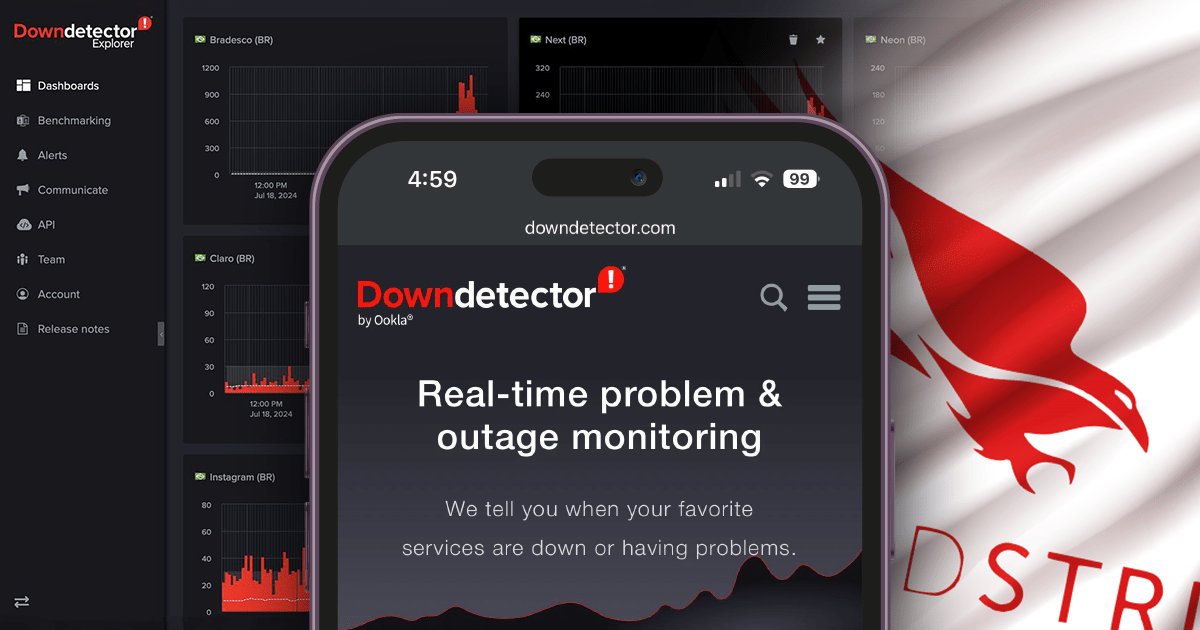
Downdetector collects and visualises reports submitted by users experiencing issues with websites, apps or network services. These user-generated reports are displayed as live incident maps and timelines, enabling observers to see spikes in complaints and to identify affected regions.
Complementary data and typical features
The platform commonly presents summary pages for specific providers, showing the volume of problem reports over time, a breakdown of problem types (for example, login, streaming, connectivity) and a comments feed where users share details. Many users consult Downdetector shortly after noticing a disruption to determine whether the issue is isolated to their device or part of a wider outage.
Who relies on Downdetector
Consumers use the site to decide whether to troubleshoot locally or wait; businesses and IT teams use it to corroborate internal diagnostics; and media organisations reference the platform when reporting on large outages. While Downdetector does not replace official updates from service providers, it often surfaces patterns and timelines faster than official notices.
Conclusion: Significance and outlook
Downdetector plays a practical role in a digitally connected society by offering rapid, crowd‑sourced insight into service disruptions. As dependence on online platforms grows, the demand for transparent, real‑time outage information is likely to increase. Readers should use Downdetector as a timely indicator alongside official provider communications and internal checks. For businesses, incorporating crowd‑sourced outage data can improve incident response; for individuals, it can reduce unnecessary troubleshooting and provide clarity during service interruptions.