

Exploring the Autopen: A Key Tool in Signature Automation
Introduction
The autopen is an innovative piece of technology that has revolutionised the way signatures are applied to documents. This automatic signature machine uses a replica of a person’s signature to sign documents quickly and efficiently. In recent years, its relevance has surged, particularly in corporate environments, where speed and efficiency are paramount. Understanding the function and importance of autopens within various sectors holds significance for both businesses and individuals.
What is an Autopen?
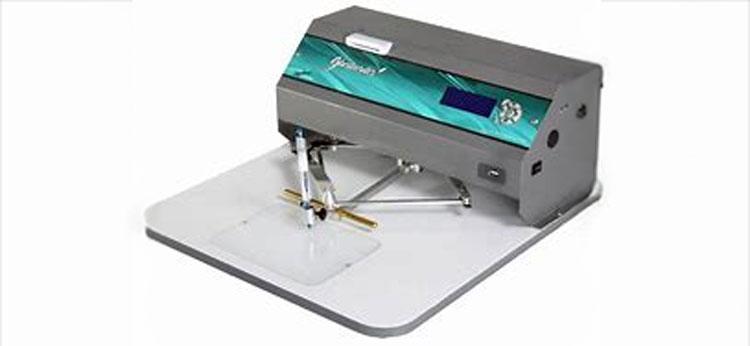
An autopen is a mechanical device that mimics the signature of a person, which can include celebrities, political leaders, and corporate executives. Initially invented in the 1950s, it uses a system of levers or computer-controlled arms to replicate the precise movements needed to create a handwritten signature. The device allows for the signing of important documents without the physical presence of the signer.
Current Applications and Events
With the rising demand for efficiency, autopens have found their place in various fields. Many government offices utilise this technology to handle the sheer volume of paperwork with minimal delays. Recently, autopen technology has also seen increased use in the corporate world, particularly amid remote working conditions where signatures are often required on contracts and agreements. The autopen’s capability to sign multiple documents in a short amount of time proves beneficial for organisations seeking to streamline their processes.
However, it is important to note that the legality of signatures produced by autopen can sometimes be questioned. In recent news, discussions have emerged regarding their authenticity and acceptance in legal systems, leading companies to ensure compliance with signature laws, which vary by jurisdiction.
Conclusion
The significance of the autopen cannot be underestimated, as it serves as a vital tool for automating signature processes in many sectors. With technological advancements, the accuracy and reliability of autopens continue to improve, allowing users to save time while maintaining a level of authenticity. As the shift towards digital solutions continues, the role of autopens is expected to grow, making it essential for businesses and individuals alike to understand their capabilities and limitations. Moving forward, ongoing discussions regarding their legal status will shape the future use of autopens in business and government settings, emphasising the need for clear guidelines and regulations.