

How blockchain applications are reshaping industries
Introduction: Why blockchain applications matter
Blockchain applications have moved beyond early hype to become a significant area of innovation for businesses and public bodies. The technology’s core properties—decentralisation, immutability and transparent record‑keeping—make it relevant to tasks where trust, provenance and auditability are important. For readers, understanding common blockchain applications clarifies where investment and policy attention are likely to focus next.
Main body: Key use cases and practical details
Finance and payments
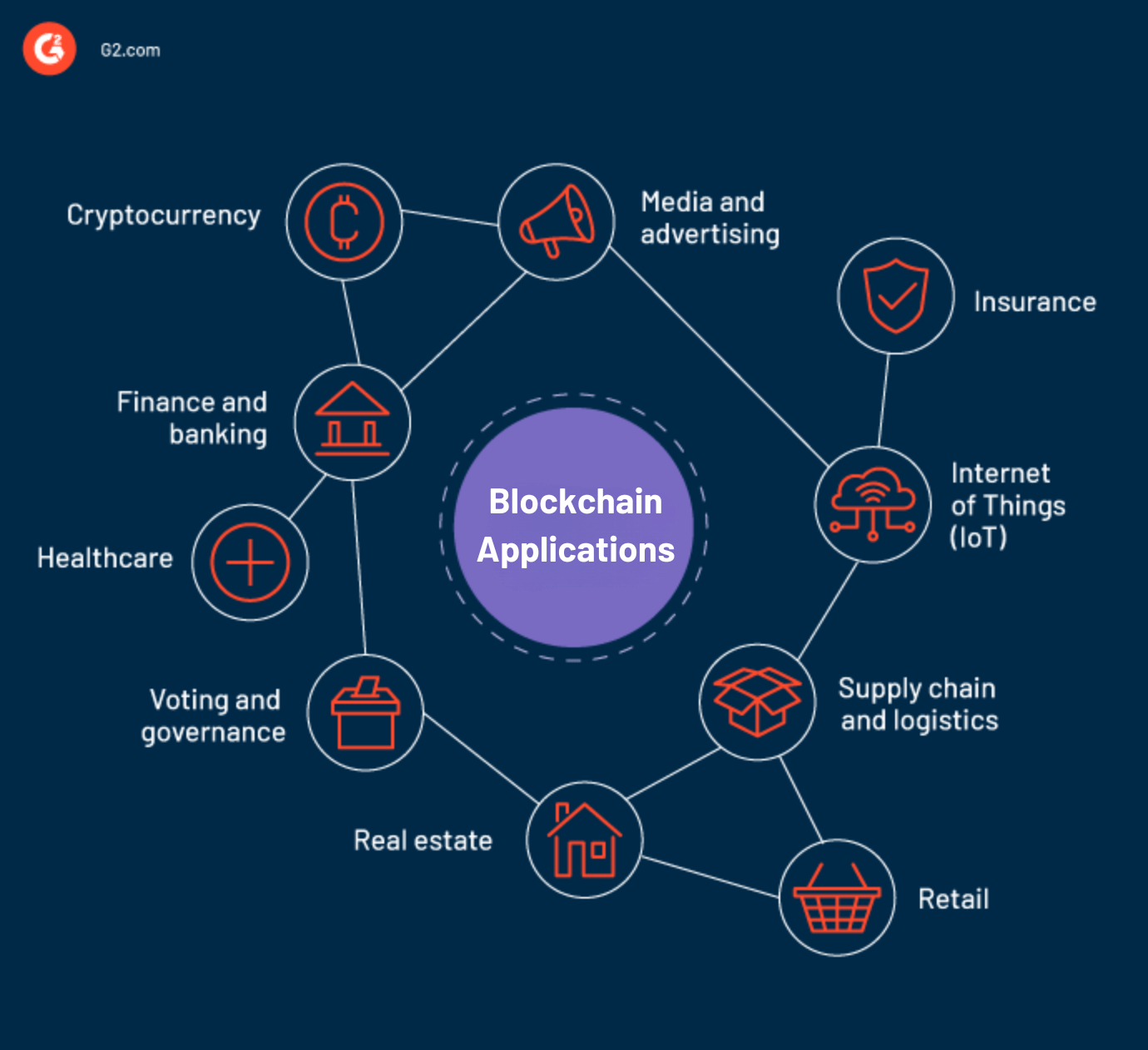
One of the earliest and most visible blockchain applications is in finance. Cryptocurrencies use distributed ledgers to record transfers without a central intermediary. Beyond tokens, financial institutions deploy permissioned ledgers for cross‑border payments, trade finance and settlement to reduce reconciliation times, lower costs and increase transparency.
Supply chain and provenance
Supply chain implementations use blockchain to track goods from origin to consumer. By anchoring certificates and timestamps on a shared ledger, organisations can verify product provenance, detect counterfeits and streamline recalls. These applications are particularly valuable in food safety, pharmaceuticals and high‑value goods.
Smart contracts and automation
Smart contracts are self‑executing scripts on a blockchain that automate terms when predefined conditions are met. They enable automated escrow, programmable payments and more efficient contract enforcement. Sectors such as insurance and real estate are piloting smart contracts to reduce paperwork and processing delays.
Identity, healthcare and public services
Blockchain applications in identity aim to give individuals greater control over personal data through verifiable credentials. In healthcare, distributed ledgers can support secure sharing of medical records and audit trails, while public sector pilots explore transparent land registries and tamper‑evident voting logs.
Challenges and limitations
Despite potential, blockchain applications face hurdles: scalability, interoperability between systems, regulatory uncertainty and energy considerations for some consensus mechanisms. Organisations often combine blockchain with other technologies rather than treating it as a single solution.
Conclusion: Outlook and significance for readers
Blockchain applications are transitioning from experimentation to targeted deployment where they add clear value. Readers should expect continued growth in niche and enterprise use cases, accompanied by regulatory development and technical improvements. For businesses and consumers, the most important takeaway is to assess blockchain as one tool among many for improving transparency, trust and efficiency.