

How Blockchain Applications Are Transforming Industries
Introduction
Blockchain applications have moved beyond early experimentation to become a significant topic for businesses, regulators and consumers. Their relevance lies in the technology’s potential to improve transparency, reduce intermediaries and create new digital models for ownership and trust. As organisations consider digital transformation, understanding practical blockchain applications is increasingly important for strategic planning and risk management.
Main developments and use cases
Finance and decentralised finance (DeFi)
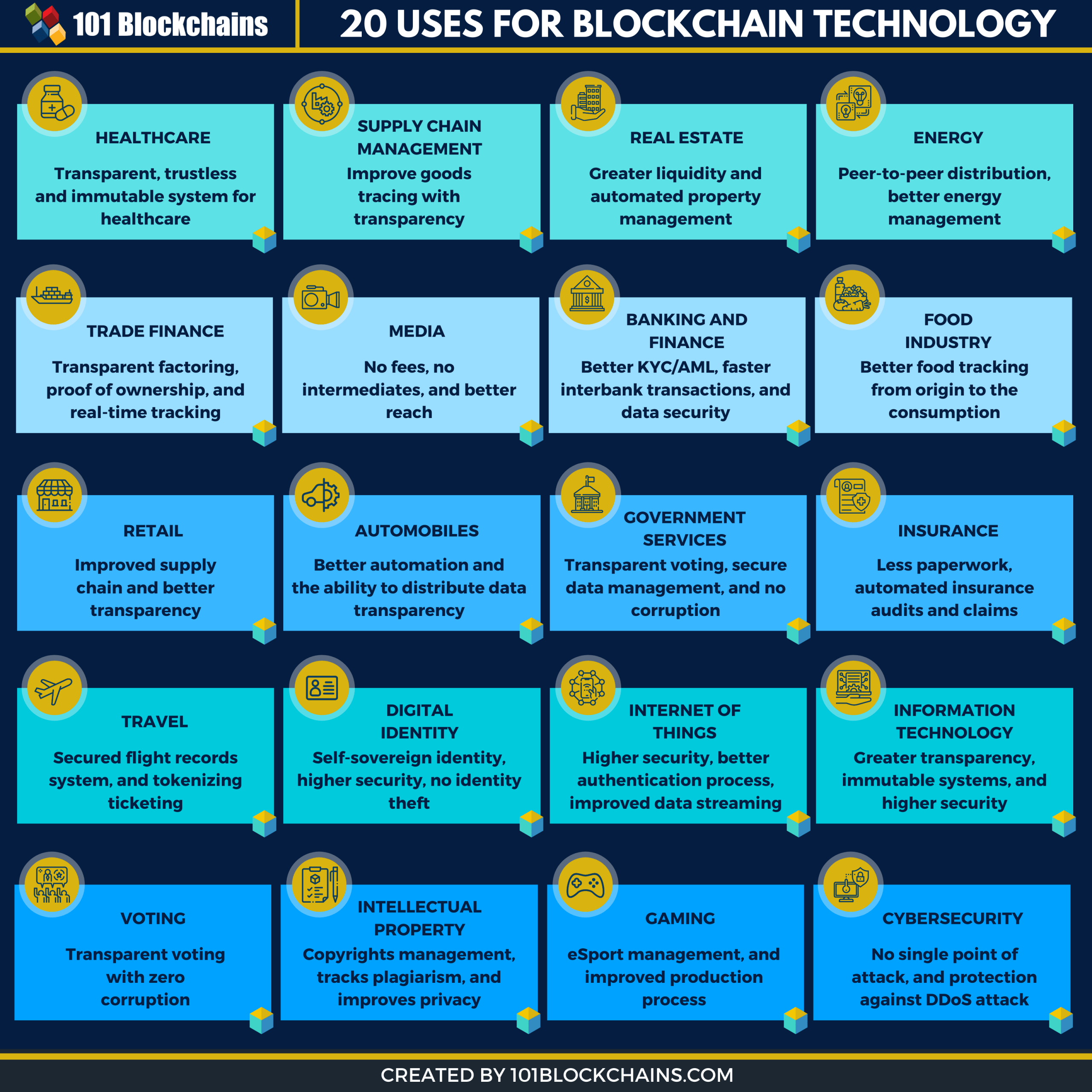
One of the most mature areas for blockchain applications is finance. Distributed ledgers enable faster settlement, lower counterparty risk and reduced reconciliation costs. Beyond traditional banking, decentralised finance uses smart contracts to offer lending, borrowing and tokenised assets without central intermediaries. These models present opportunities for financial inclusion but also require careful regulatory oversight and risk controls.
Supply chains and provenance
Supply-chain projects use blockchain to improve traceability from raw materials to finished goods. Immutable records help authenticate provenance, reduce fraud and streamline recalls. Many industries — including food, pharmaceuticals and luxury goods — run pilot programmes or live systems linking physical goods to digital records, improving consumer confidence and compliance reporting.
Identity, healthcare and public services
Blockchain applications for identity management aim to give individuals greater control over personal data, simplifying verification while protecting privacy. In healthcare, shared ledgers can improve the integrity of clinical records and the traceability of medical supplies. Governments are also exploring blockchains for land registries, voting trials and transparent public procurement, though adoption varies by jurisdiction.
Technical trends and challenges
Technically, the ecosystem is evolving: permissioned ledgers remain common for enterprise use, while public networks continue to innovate with Layer 2 scaling and proof-of-stake consensus to reduce energy use. Key challenges persist — scalability, interoperability, data privacy and regulatory uncertainty — which affect how rapidly blockchain applications can scale.
Conclusion
Blockchain applications are poised to reshape multiple sectors by enabling new forms of coordination and trust. Short-term growth will be driven by targeted enterprise deployments and regulated financial services, while broader consumer benefits depend on improved standards, clearer regulation and sustainable technology choices. For readers, the practical significance is clear: organisations should assess where decentralised features add value and monitor technological and policy developments to inform investment and governance decisions.