

How blockchain technology is shaping finance, industry and public policy
Introduction: Why blockchain technology matters
Blockchain technology has moved from niche cryptographic research to a mainstream topic for governments, businesses and consumers. Its relevance lies in the promise of decentralised trust—allowing parties to record, verify and transfer value or data without a single central intermediary. That potential has implications for finance, supply chains, identity systems and public administration, making developments in the sector important to follow for investors, policymakers and the general public.
Main developments and facts
Technical and market progress
Technical advances have focused on improving scalability, efficiency and usability. Notable milestones include major networks adopting proof-of-stake consensus to reduce energy use and the growth of layer-two rollups that increase transaction throughput. These changes aim to address earlier criticisms about environmental impact and transaction costs.
Use cases moving into production
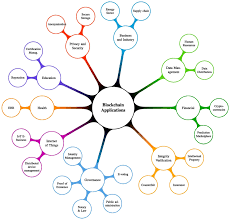
Across industries, organisations are piloting or deploying blockchain for asset tokenisation, trade finance, provenance tracking and digital identity. In finance, decentralised finance (DeFi) protocols offer new models of lending and trading, while traditional banks and clearing houses explore tokenised securities. Supply-chain projects use ledger immutability to improve traceability of goods from manufacture to retail.
Regulation and public-sector activity
Regulatory attention has increased worldwide. The EU’s Markets in Crypto-Assets (MiCA) framework, adopted in 2023, is an example of new rules aimed at market integrity and consumer protection. Central banks are researching central bank digital currencies (CBDCs): some have large pilots underway and many more are in exploratory stages, reflecting interest in programmable digital money and settlement efficiency.
Risks and challenges
Security incidents, governance questions and consumer protection remain pressing concerns. High-profile hacks in the DeFi space and frauds linked to speculative tokens have underlined the need for stronger custody practices, clearer legal frameworks and better user education.
Conclusion: Outlook and significance
Blockchain technology is unlikely to be a single silver-bullet solution, but its components—distributed consensus, cryptographic proofs and tokenisation—are set to influence many sectors. Over the next few years expect wider, regulated adoption in finance and supply chains, stronger interoperability and ongoing policy work on consumer safeguards and market stability. For readers, the key takeaway is that blockchain-driven services will grow in prominence; staying informed will help individuals and organisations assess opportunities and manage risks.