

iPhone 18: Apple’s Most Ambitious iPhone Launch Yet
Introduction: A Bold New Direction for Apple
Apple is preparing its most ambitious iPhone launch strategy in years with the iPhone 18 lineup, set to debut between 2026 and 2027. With the iPhone 18 lineup that’s planned for 2026, Apple is making major changes, including a revolutionary split-launch schedule and cutting-edge technology that promises to reshape the smartphone landscape. For consumers and technology enthusiasts alike, these developments signal a pivotal moment in mobile innovation.
Split Launch Strategy: Breaking with Tradition
Next year we’re expecting the iPhone 18 to launch in the spring – alongside the iPhone 17e – with the iPhone 18 Pro models sticking to the usual September timings. Apple is reportedly preparing to begin trial production of the iPhone 18 after Chinese New Year, with manufacturing potentially starting by mid-February 2026. This strategic shift marks a departure from Apple’s traditional simultaneous September release for all models.
Revolutionary Features of iPhone 18 Pro
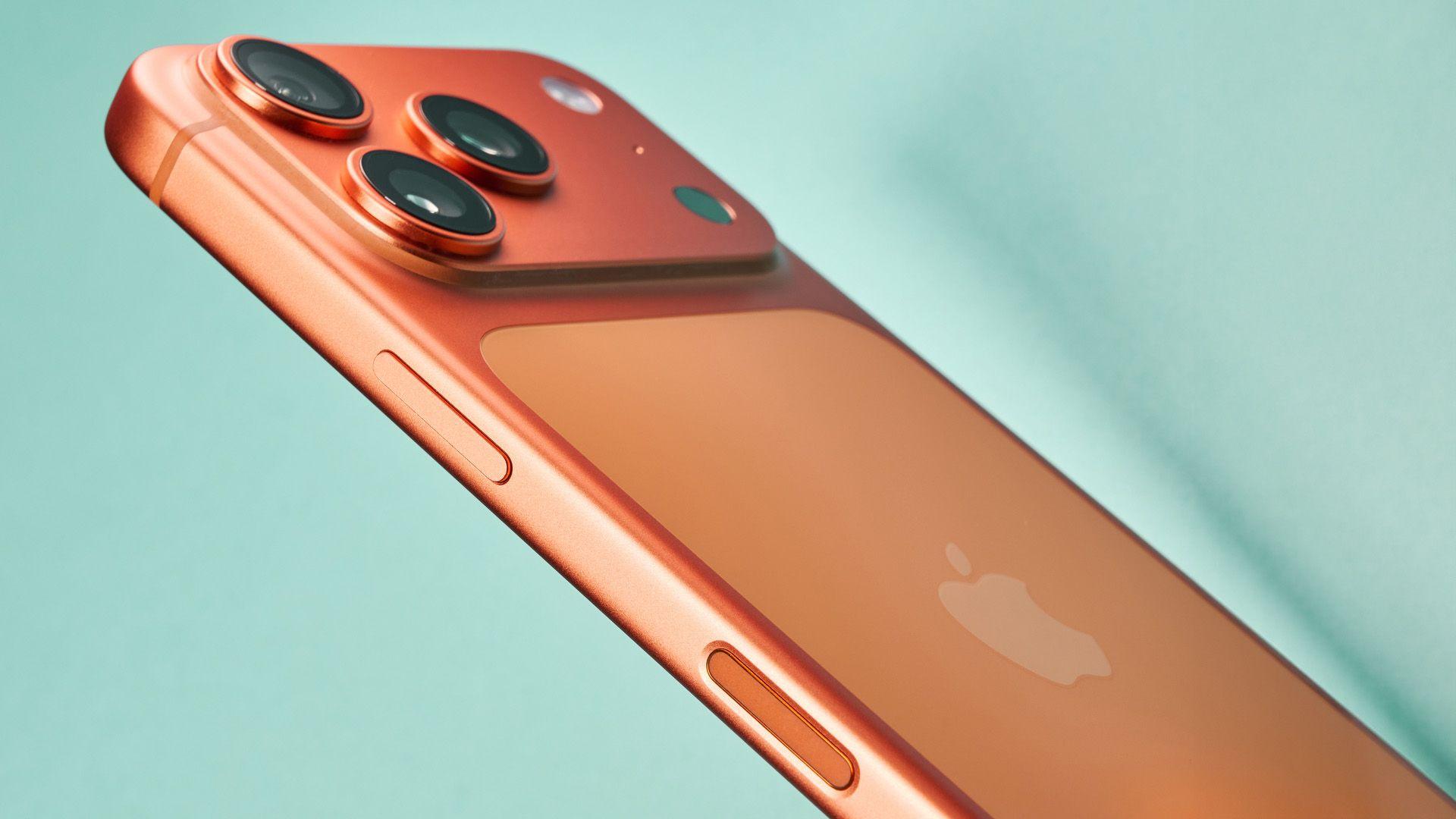
The iPhone 18 Pro models promise exceptional technological advances. Next year’s iPhone 18 Pro and iPhone 18 Pro Max will be equipped with under-screen Face ID, and the front camera will be moved to the top-left corner of the screen. Additionally, we’re expecting a variable aperture main camera that offers greater control over depth-of-field (DoF) in photos.
The A20 Pro chip for iPhone 18 Pro is expected to be an especially big leap forward. A20 Pro will be Apple’s first chip built with a 2nm process, delivering unprecedented performance improvements. The Dynamic Island is getting smaller thanks to Face ID components moving under the display. This should enable the smallest display cutout in years.
Conclusion: Significance for Consumers
Apple will likely release the iPhone 18 Pro models in September 2026, positioning the company at the forefront of smartphone innovation. The combination of under-display technology, advanced camera systems, and groundbreaking chip architecture represents the most significant iPhone evolution in years. For consumers, this means enhanced photography capabilities, improved performance, and a more immersive display experience that sets new industry standards.