

London shopper wrongly ejected after Sainsbury’s facial recognition error
Introduction — why this matters
The emergence of facial recognition systems in retail raises questions about privacy, accuracy and shopper treatment. The recent sainsbury’s facial recognition error that saw a London customer publicly removed from a store highlights these concerns. As major chains trial such technology to counter rising retail crime, errors that lead to humiliation or wrongful ejection can undermine public trust and prompt calls for clearer procedures and safeguards.
Main body — what happened and the facts
The incident
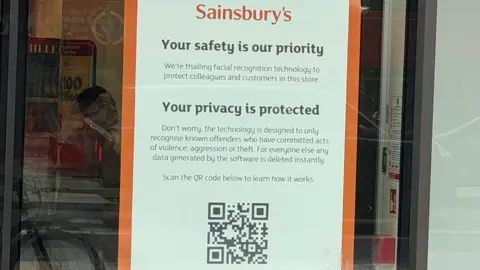
In a London Sainsbury’s, a shopper identified as Rajah was instructed to leave his shopping and was escorted out of the store after staff said he matched a suspect on a facial recognition alert. Staff reportedly pointed to a notice about facial recognition technology when Mr Rajah asked why he was being approached. He later said he felt humiliated and treated like a criminal.
Technology and trial details
Sainsbury’s has been trialling the Facewatch facial recognition system in a handful of stores since September last year, citing a rise in retail crime as the reason for adopting the software. Elephant and Castle is one of five London stores reported to be using the system. Facewatch generates alerts based on criminal behaviour submitted by the store itself or by other retailers using the platform nearby.
Retailer response
Sainsbury’s apologised to the shopper and characterised the event as a human error rather than a failure of the technology. The retailer said: “This was not an issue with the facial recognition technology in use but a case of the wrong person being approached in store.” Independent reports note the apology and describe the incident as a case of misidentification followed by staff action.
Conclusion — implications and outlook
The sainsbury’s facial recognition error underscores the need for robust safeguards when deploying biometric tools in public spaces. Even where technology is designed to reduce crime, human decisions following alerts remain critical. For shoppers, the episode is a reminder to expect transparency on how such systems are used and how disputes will be resolved. For retailers, it signals the importance of staff training, clear signage and rapid remediation processes to prevent similar incidents and maintain customer confidence.