

Oracle’s role in cloud, databases and enterprise software
Introduction: Why oracle matters
Oracle is one of the world’s largest software and hardware companies, founded in California in 1977. Its technologies underpin a wide range of enterprise functions—from databases and enterprise resource planning (ERP) to cloud infrastructure and purpose-built servers. Understanding Oracle’s product set and market role is important for IT leaders, investors and organisations planning digital transformation, because its platforms power mission‑critical applications in business, government and research.
Main body: History, products and current focus
Origins and core technologies
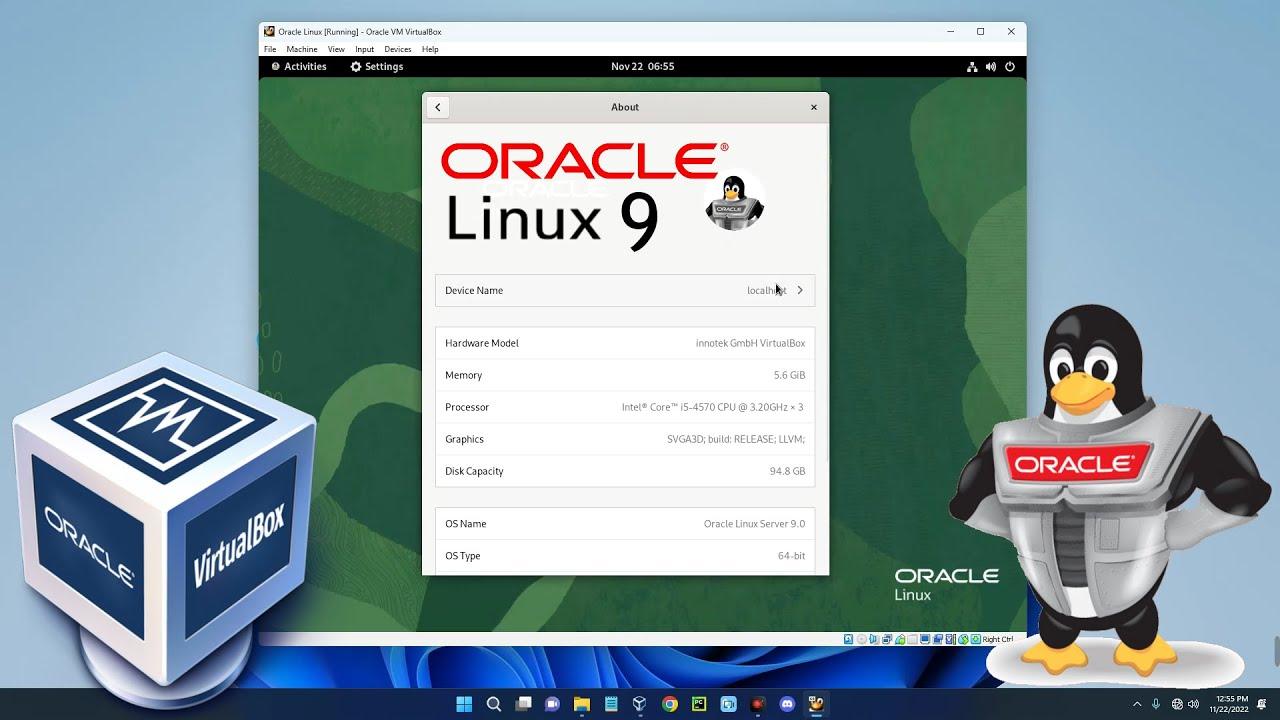
Oracle released the first commercially available SQL‑based relational database management system (RDBMS) in the United States, a milestone that established the company as a database pioneer. Over the decades it has developed and maintained widely used systems and technologies such as Java, Solaris and Oracle Linux.
Enterprise software and middleware
Oracle’s portfolio includes cloud‑based ERP offerings and Oracle Fusion Middleware, a suite of tools for data integration, business intelligence and content management. Organisations use Oracle Database and related applications for ERP, customer relationship management (CRM) and human resources management (HRM) to gain up‑to‑date operational insights.
Cloud infrastructure and autonomous database
In recent years Oracle has emphasised cloud services. Oracle Cloud Infrastructure (OCI) positions itself on higher performance, security and cost efficiency, designed to help businesses move workloads between on‑premises systems, OCI and other clouds. Oracle also markets the world’s first and only autonomous database, aimed at organising and securing customer data with reduced operational overhead.
Hardware, customers and impact
Beyond software, Oracle manufactures purpose‑built servers and network solutions to run its platforms and databases. Its products serve a broad spectrum of users—from large enterprises and governments to nonprofits and research institutions—supporting tasks such as supply chain streamlining, HR modernisation and scientific computing.
Conclusion: Outlook and significance for readers
Oracle’s combination of database heritage, enterprise applications and cloud infrastructure means it will remain a central player in corporate IT architectures. For readers planning migrations or evaluating vendors, Oracle’s integrated stack—software, middleware, cloud and hardware—offers a route to consolidate workloads and maintain continuity for ERP, CRM and HRM systems. Continued cloud adoption and demand for data security and performance suggest Oracle’s products will stay relevant as organisations seek resilient, scalable platforms.