

Sam Altman: A Visionary in the World of Technology
Introduction
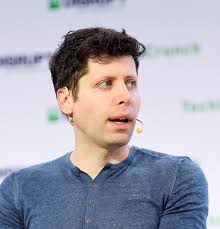
Sam Altman has become a household name in the realms of technology and artificial intelligence (AI). As the CEO of OpenAI, he stands at the forefront of innovation, playing a crucial role in transforming how we interact with AI systems. With the rapid advancement of AI technologies, understanding Altman’s contributions and vision is vital for grasping the future landscape of this field.
Early Life and Career
Born in April 1985 in Chicago, Illinois, Altman grew up in St. Louis, Missouri. He studied computer science at Stanford University but dropped out to co-found Loopt, a location-based social networking app, which was acquired by Green Dot Corporation in 2012.
Following the acquisition, Altman joined Y Combinator, a renowned startup incubator, where he eventually became president. His experience at Y Combinator allowed him to cultivate numerous successful startups and provided a solid foundation for his future endeavors in AI.
Leadership at OpenAI
In 2019, Altman transitioned from Y Combinator to lead OpenAI. The organisation’s mission is to ensure that artificial general intelligence (AGI) benefits all of humanity. Under Altman’s stewardship, OpenAI launched several groundbreaking AI models, including GPT-3 and the more recent ChatGPT. These models have significantly impacted various industries, from content creation to customer service.
Altman’s leadership style emphasises responsible AI development, prioritising safety and ethical considerations. He has been vocal about the need for regulations and collaborative efforts to manage the societal implications of AI technologies efficiently.
Recent Developments
As of late 2023, OpenAI continues to expand its offerings and refine its models. The company has released updates to ChatGPT, enhancing usability and integration capabilities across platforms. Altman’s vision includes creating AI tools that are not only powerful but also accessible for businesses and individuals alike.
Moreover, Altman advocates for public discourse on AI alignment, pushing for transparency and accountability in AI development. His appearance at various conferences and seminars often emphasises the importance of inclusivity in tech advancements and bridging the digital divide.
Conclusion
Sam Altman’s influence in the fields of technology and artificial intelligence is profound and continues to grow. As OpenAI navigates the complex landscape of AI development, Altman’s dedication to ethical practices and innovations reflects a commitment to harnessing technology for the betterment of society. For readers and enthusiasts of technology, understanding Altman’s work is essential in anticipating future trends and fostering a responsible approach to AI integration in everyday life.