

Speed Cameras: How AI Technology is Revolutionising Road Safety in 2025
The Growing Importance of Speed Camera Technology
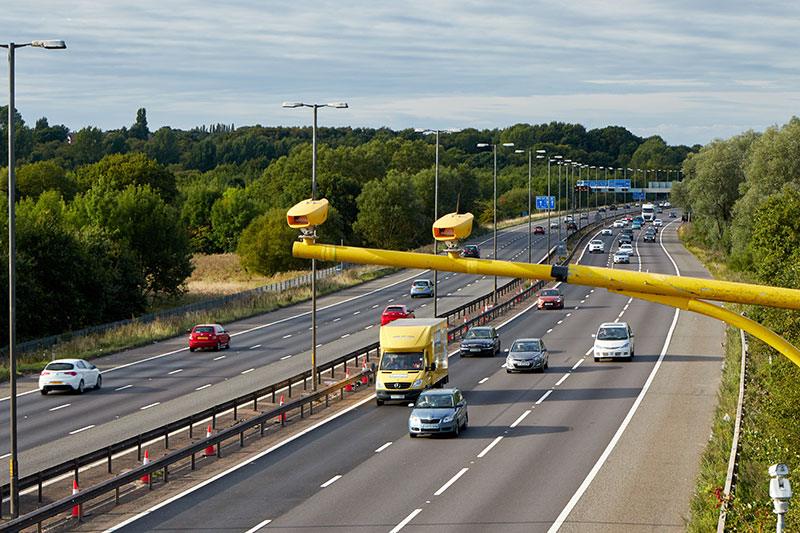
Speed cameras have become a crucial tool in modern road safety enforcement, with technological advances in 2025 marking a significant turning point in traffic management. Speed cameras have been confirmed to work effectively, with new studies showing they lead to persistent and sustained reductions in crashes. As road authorities worldwide embrace artificial intelligence and advanced detection systems, speed cameras are evolving from simple enforcement tools into sophisticated safety networks that can detect multiple driving offences simultaneously.
The importance of this technology cannot be overstated. Speeding plays a role in nearly 25% of fatal UK road accidents, whilst similar statistics exist globally. As cities grapple with rising traffic volumes and persistent speeding problems, automated enforcement has emerged as a cost-effective solution that operates continuously without requiring constant police presence.
Remarkable Results from Recent Deployments
Recent data from major cities demonstrates the remarkable effectiveness of modern speed camera systems. New York City’s speed camera program has shown a 94 percent reduction in speeding at camera locations, representing one of the most successful traffic safety interventions ever documented. Similarly impressive results have emerged from other jurisdictions.
San Francisco has reported that speeding has decreased by 72% on average at 15 key locations where cameras were installed in early 2025. Over seven months following camera introduction, collisions declined by 30 percent and injuries by 16 percent, according to a National Academy of Sciences study focusing on automated enforcement effectiveness.
In the United Kingdom, the technology continues to expand rapidly. Average speed enforcement cameras are being installed on Coventry Road in Birmingham, extending existing operations along the A45. However, the UK has also faced challenges, with thousands of speeding fines potentially being cancelled after a technical issue saw some speed cameras triggered incorrectly, affecting a very small number of drivers since 2021.
AI-Powered Cameras: The Next Generation
The most significant development in 2025 has been the widespread deployment of AI-powered speed cameras. The 2025 rules introduce AI-powered speed cameras, representing a major leap in traffic enforcement. These sophisticated systems can perform multiple enforcement functions simultaneously.
Brand-new 4D AI speed cameras are rolling out, capable of detecting mobile phone use, seatbelt offences, uninsured vehicles, and even behaviour inside vehicles. One notable example is the deployment of AI cameras on the A23 in Sussex, which recently recorded 450 driving offences in five days, including not wearing seatbelts and handling phones.
These advanced systems represent a fundamental shift in enforcement philosophy. The Department for Transport rolled out an AI-integrated camera system capable of identifying repeat speeding offenders and linking offences across different counties, with the new system applying tiered penalties based on a driver’s recent history.
Expansion Across Multiple Cities
The success of speed camera programmes has prompted rapid expansion across numerous jurisdictions. Oakland is installing 18 speed cameras citywide, expected to all be installed and operational by mid-January 2026, initially issuing only warnings. Minneapolis launched automated enforcement of speed limits at five high-risk intersections for the first time in the city’s history starting October 1, 2025.
Colorado’s Wheat Ridge Police Department says its strategically-placed speed cameras are making an impact after six months, with mailed citations dropping by nearly 30% over three months, demonstrating that drivers are modifying their behaviour in response to automated enforcement.
Looking Forward: The Future of Road Safety
The evidence strongly suggests that speed cameras, particularly AI-enhanced systems, will play an increasingly important role in road safety strategies. The combination of proven effectiveness, technological advancement, and continuous operation makes them an invaluable tool for reducing traffic casualties.
For motorists, the message is clear: compliance with speed limits has never been more important, as enforcement technology becomes more sophisticated and comprehensive. For communities, these systems offer hope for safer streets and fewer traffic-related injuries and fatalities. As we move through 2025, the speed camera revolution continues to gather momentum, promising a future where technology and traffic safety work hand in hand to protect all road users.