

Tesla Faces Critical Year as EV Sales Decline and Robotaxi Plans Tested
Introduction: A Pivotal Moment for Tesla
Tesla finds itself at a crossroads in early 2026, facing mounting challenges that could reshape its future. The company delivered just 1.63 million vehicles in 2025, representing an 8.5% drop compared to 2024, marking its second consecutive year of declining sales. This development is particularly significant as Tesla’s electric vehicle business funds its ambitious artificial intelligence, robotaxi, and humanoid robot initiatives. As investors and industry observers watch closely, 2026 could prove to be a defining year for the pioneering automaker.
Tesla Loses Market Leadership Crown
With the decline, Tesla lost its title as the world’s bestselling electric vehicle maker to China’s BYD, which sold 2.26 million vehicles last year. The fourth quarter proved especially challenging, with Tesla delivering just 418,227 EVs, falling short of Wall Street’s consensus forecast of 422,850. Multiple factors contributed to this downturn, including the expiration of federal EV tax credits and intensifying competition from rivals both domestic and international.
Robotaxi and FSD Face Regulatory Hurdles
Tesla’s future growth strategy hinges heavily on autonomous driving technology and robotaxi services. However, significant obstacles remain. According to recent guidance from Tesla CEO Elon Musk, the Cybercab won’t enter mass production until the end of 2026, and Optimus is even further away from commercialization. Moreover, Tesla’s FSD software isn’t approved for unsupervised use anywhere in the U.S. Adding to concerns, Tesla’s camera-only FSD stack crashes 12 times as often as human drivers, raising questions about readiness for widespread deployment.
Competition Intensifies from All Sides
Tesla faces mounting pressure from multiple directions. Tech giants Alphabet and Amazon both already have self-driving ride-sharing services in some markets — and they’re expanding quickly. Even chipmaker Nvidia has entered the autonomous vehicle space with new AI solutions, presenting formidable competition. Meanwhile, management said it expects a big step up in capital expenditures in 2026, putting additional financial pressure on the company as it invests heavily in AI initiatives.
Outlook: Recovery Possible But Uncertain
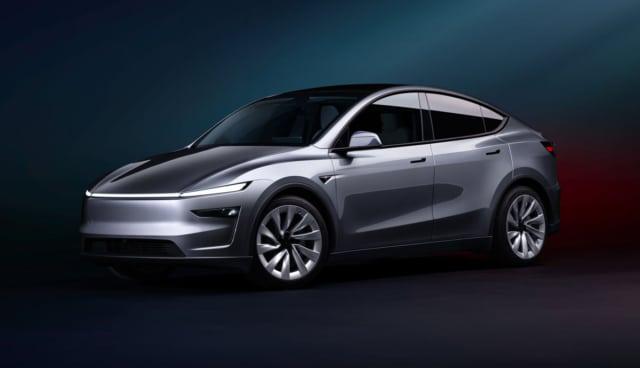
Despite these challenges, some analysts remain cautiously optimistic. The second-half sales recovery, although weaker than hoped, puts Tesla on track to improve EV deliveries in 2026. Factors supporting potential recovery include the global rollout of the refreshed Model Y, lower interest rates making vehicles more affordable, and expected regulatory approvals for FSD technology in new markets. However, analysts expect Tesla revenue growth of just over 13% in 2026 after a 3% decline in 2025. As Tesla navigates this critical juncture, its ability to execute on autonomous driving promises while revitalizing core EV sales will determine whether 2026 becomes a year of recovery or reckoning.