

Understanding Flight Radar: How It Works and Why It Matters
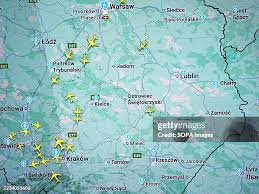
Introduction: The importance of flight radar
Flight radar systems have become an essential tool for modern aviation, offering near real‑time information about aircraft positions, routes and status. Their relevance extends beyond air traffic control to include passengers checking arrival times, journalists following major incidents, logisticians coordinating cargo, and enthusiasts tracking flights around the world. The availability of flight radar data enhances transparency, safety awareness and operational efficiency across the aviation sector.
Main body: How flight radar works and practical uses
Basic principles
At its core, flight radar aggregates positional data transmitted by aircraft and from ground and satellite sensors. Common sources include transponder signals such as ADS‑B (Automatic Dependent Surveillance–Broadcast), multilateration systems, radar returns and airline operational feeds. These inputs are combined to produce a continuous picture of aircraft movements that can be displayed on maps and queried for details such as altitude, speed and flight number.
Who uses flight radar data?
Different user groups rely on flight radar for distinct purposes. Air traffic services use professional systems to maintain safe separation and manage flows. Airlines and airports use tracking to coordinate turnarounds and manage connections. Emergency services and investigators may consult recorded tracks during incidents. Meanwhile, members of the public use consumer flight radar applications to monitor arrivals, check delays and follow friends or family travelling by air.
Benefits and limitations
Flight radar improves situational awareness and supports faster decision‑making. It also promotes transparency by allowing independent verification of flight activity. However, availability depends on sensor coverage and the type of equipment fitted to an aircraft. In some regions and for certain flights, positional updates can be intermittent. Privacy and security considerations also influence which data are publicly distributed.
Conclusion: Significance and outlook
Flight radar technologies are likely to remain central to aviation as coverage expands and data quality improves, including greater use of satellite reception and integrated data platforms. For readers, awareness of flight radar offers practical benefits—better travel planning, clearer understanding of aviation events, and a window into how modern air transport is monitored and managed. As systems evolve, they will continue to balance transparency, safety and privacy considerations for all users.