

What is Phishing and How to Protect Yourself
Introduction: Why understanding what is phishing matters
Phishing is one of the most common cyber threats affecting individuals, businesses and public bodies. Understanding what is phishing is important because these scams aim to steal credentials, money or sensitive data by impersonating trusted sources. As communications increasingly move online, the relevance of recognising phishing techniques has grown for anyone using email, messaging apps or phones.
Main body: How phishing works and how to spot it
Common techniques
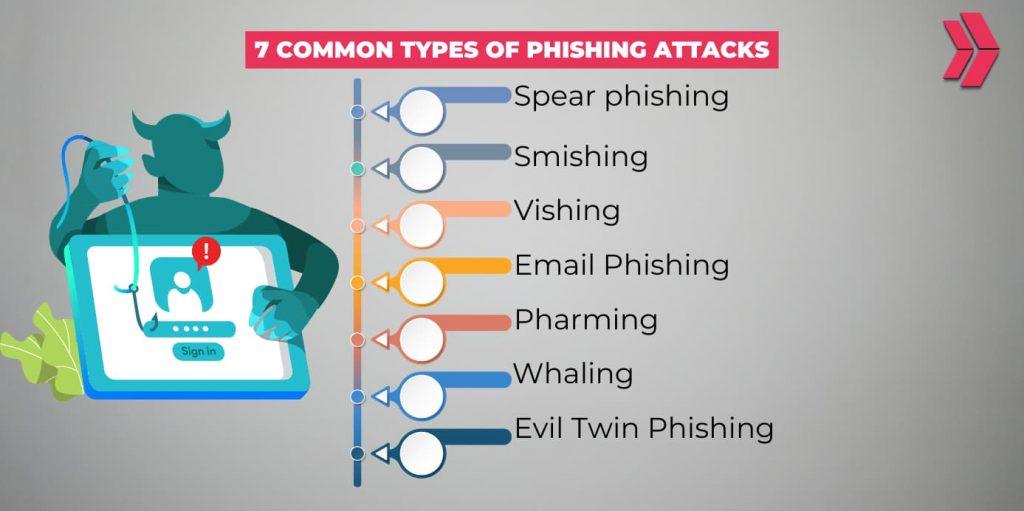
Phishing typically involves fraudulent messages that prompt recipients to click links, open attachments or disclose personal information. Common variants include email phishing, SMS‑based “smishing”, voice calls known as “vishing”, and malicious web pages that mimic legitimate sites. Attackers may use urgent language, familiar logos and spoofed sender addresses to appear credible.
Typical warning signs
Indicators that a message might be phishing include unexpected requests for passwords or payment, grammatical errors, mismatched URLs (hover over links to check), unfamiliar sender addresses and a sense of urgency or threat. Attachments from unknown senders can contain malware and should be treated with caution.
Immediate actions if targeted
If you suspect a phishing attempt, do not click links or open attachments. Verify the message through an independent channel (for example, call the organisation using a known number). Change compromised passwords, enable multi‑factor authentication (MFA) and report the incident to your organisation’s IT team or relevant authorities.
Organisational measures
Organisations can reduce risk by deploying email filtering, web threat protection and endpoint security, running regular staff training and exercising incident response plans. Encouraging a culture of verification and reporting helps contain attacks quickly.
Conclusion: Significance and outlook
Phishing remains a persistent, evolving threat. Advances in automation and artificial intelligence can make fraudulent messages more convincing, so sustained vigilance is necessary. For readers, practical steps—such as scrutinising messages, using MFA, keeping software updated and reporting suspicious activity—significantly reduce risk. Understanding what is phishing empowers individuals and organisations to protect data and finances in an increasingly connected world.