

What the Gmail passwords data breach means for users
Introduction: Why the Gmail passwords data breach matters
A new report that appears to contain Gmail passwords alongside credentials for many other services has heightened concerns about online account security. With Gmail used by an estimated 2.5 billion users worldwide, any leak tying email addresses, usernames or passwords to online accounts raises the risk of account takeover, fraud and targeted phishing. The issue is especially important because attackers can combine leaked credentials with other exposed business data to impersonate trusted contacts.
Main details of the incident
Scale and contents of the leak
According to analysis highlighted by ExpressVPN, cybersecurity researcher Jeremiah Fowler discovered an exposed database containing roughly 149,404,754 unique logins and passwords across about 96GB of raw data. The records reportedly include credentials for mailbox providers (Gmail, Yahoo, Outlook), social media platforms (Facebook, Instagram, TikTok, X), streaming services (Netflix, HBO Max, Disney+), gaming and other sites (Roblox, OnlyFans), dating platforms and more.
How the data was collected
Reporters said the trove appears to be an aggregation of credentials harvested by info‑stealing malware, which collects usernames, passwords and sometimes the URLs used to authenticate accounts. A cyber security researcher stated: “In a limited sampling of the exposed documents, I saw thousands of files that included emails, usernames, passwords, and the URL links to the login or authorization for the accounts.” Where victims reused passwords across services, attackers could automate attempts to access multiple accounts with the same credentials.
Related Google warning and phishing risk
Separately, Google has warned its roughly 2.5 billion Gmail users about increased phishing threats after attackers used business‑related data—such as contact lists, company associations and email metadata—obtained in a linked incident. Google stressed that while some stolen business data did not include actual account passwords, the information makes phishing and impersonation far more effective. Google’s own data indicates phishing and vishing account for about 37 per cent of successful account takeovers.
Conclusion: What users should do and what to expect
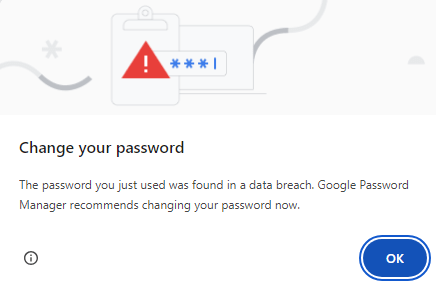
The combined disclosures underscore two realities: stolen credentials remain dangerous when aggregated, and business data can amplify phishing attacks even without direct password theft. Users are advised to use unique passwords, enable two‑factor authentication, adopt a reputable password manager and be wary of unsolicited requests for login information—never handing a password to someone who calls claiming to be tech support. Expect security teams and platforms to increase warnings and targeted guidance as researchers continue to analyse the leak.