

Mock the Week: Why the satirical panel show matters
Introduction
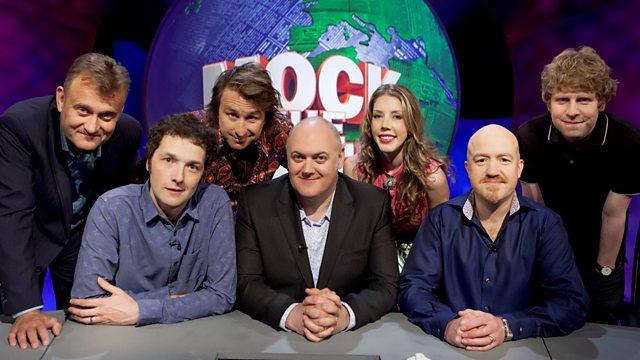
Mock the Week remains a notable example of British topical comedy, combining stand‑up, improvisation and panel interplay. Its importance lies in the way it brings current affairs into a comedic format that is accessible to a wide television and online audience. For viewers and the comedy sector alike, the show exemplifies how satire can frame public debate while serving as a launchpad for comedic talent.
Main body
Format and approach
At its core, Mock the Week uses a mix of structured rounds and improvised segments to lampoon recent news stories and public figures. Comedians take part in quickfire rounds, punchline-driven monologues and collaborative sketches that demand both topical awareness and comic timing. The blend of prepared material and on‑the‑spot responses gives the show a dynamic rhythm that appeals to viewers who follow current events and enjoy sharp, immediate humour.
Role in comedy and television
The programme occupies a particular niche within British television: a mainstream platform for satire that balances criticism with entertainment. By presenting politicians, media stories and social trends through a comedic lens, it contributes to public conversation in a way that is both accessible and opinionated. The panel format also allows a variety of comic voices to be heard in a single episode, reflecting different styles of humour from observational to satirical.
Audience and cultural impact
Mock the Week attracts audiences who want topical commentary delivered with pace and wit. Its clips and exchanges often circulate online, extending its reach beyond appointment‑to‑view television and into social media conversation. As a cultural product, the show has prompted discussion about the boundaries of satire, the responsibilities of comedians when addressing sensitive topics, and the role of humour in shaping public attitudes.
Conclusion
Mock the Week continues to matter because it intersects news, comedy and popular culture. For readers, its significance is twofold: it reflects how satire can make current affairs more approachable, and it highlights the ongoing dialogue about taste, boundaries and the public role of comedians. Looking ahead, shows that combine immediacy with thoughtful humour are likely to remain influential in shaping both comedic careers and public conversation.