

Downton Abbey: a look at its cultural legacy
Introduction: why Downton Abbey matters
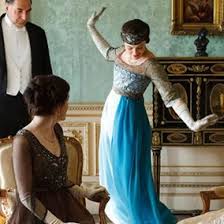
Downton Abbey has become a touchstone in contemporary British television, notable for its dramatization of early 20th‑century life and for bringing period storytelling to large international audiences. Its relevance lies in the way it foregrounds social change, class interactions and historical events through the intertwined lives of the aristocratic Crawley family and their household staff.
Main body: origins, themes and developments
Creation and television run
Created by Julian Fellowes, Downton Abbey first reached viewers in 2010. Produced for British television, the series ran through the mid‑2010s and earned a wide international following. The drama is set at the fictional country estate of Downton Abbey in Yorkshire and charts events across the early decades of the 20th century.
Central narrative and historical backdrop
The series follows members of the Crawley family and the servants who manage the household, using personal stories to reflect wider historical shifts. Episodes weave domestic drama with major historical moments of the era, offering audiences a narrative view of social change, the impacts of war and evolving roles for women and working people.
Film adaptations and cultural footprint
The Downton Abbey story later expanded into feature films that continued the narrative beyond the television series. The estate portrayed in the series is filmed at Highclere Castle, which has become a destination for visitors keen to connect with the production. The show’s production values, ensemble cast and period detail have influenced subsequent period dramas and encouraged sustained interest from streaming platforms and international broadcasters.
Conclusion: significance and outlook for readers
For readers, Downton Abbey represents more than entertainment: it is a case study in how drama can illuminate social history and attract global audiences to British storytelling. Its continued availability on various platforms and the visibility of its filming locations mean the series remains accessible to new viewers. While tastes and distribution models evolve, the programme’s focus on character, class and change suggests it will continue to be referenced in discussions about historical drama and popular culture for years to come.