

BBC’s ‘Waiting for the Out’ Brings Prison Drama to Prime Time
Introduction: A New Voice in Prison Drama
The BBC’s latest offering, ‘Waiting for the Out,’ premiered on 3 January 2026 on BBC One, marking a significant moment in British television. This six-part series is based on Andy West’s memoir ‘The Life Inside: A Memoir Of Prison, Family and Learning to be Free,’ adapted by acclaimed writer Dennis Kelly. The drama represents a fresh take on prison narratives, focusing on intellectual exploration rather than violence, making it essential viewing for audiences seeking thoughtful, character-driven storytelling.
The Story and Its Real-Life Origins
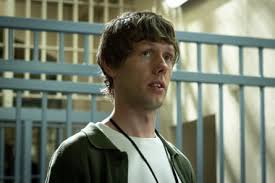
The series stars Josh Finan as Dan, a philosopher who begins teaching a class of men in prison, delving into his own past having grown up with a father, brother and uncle who all ended up behind bars. Each week he leads discussions about dominance, freedom, luck, and other topics that have troubled philosophers for thousands of years, with the themes gaining new meaning when seen through the prisoners’ eyes. The drama explores how Dan’s work triggers deep anxieties about whether he’s destined to follow his family’s path into incarceration.
Critical Reception and Production Excellence
The series is produced by the award-winning production company SISTER, which boasts an impressive slate of TV hits such as Black Doves, This Is Going to Hurt and Chernobyl. Director of BBC Drama Lindsey Salt described Kelly as one of the ‘UK’s greatest writers,’ noting the series explores ‘male identity, forgiveness and self-discovery’. Writer Dennis Kelly has provided an encouraging update about a potential second season, stating he would ‘love to do it again’, though he acknowledges most of West’s memoir has been adapted.
Significance for Modern Television
‘Waiting for the Out’ arrives at a crucial time for British drama, offering viewers an authentic portrayal of prison life that prioritises philosophical reflection over sensationalism. The moments of violence are few and far between but significant, while the series demonstrates how education classes give people inside the chance to think instead of sitting in a cell all day. For audiences, this drama represents an opportunity to engage with complex questions about masculinity, family trauma, and personal destiny through compelling storytelling that challenges conventional prison drama tropes.