

The Lasting Impact of Game of Thrones in Modern Culture
Introduction
Since its premiere in 2011, Game of Thrones has captivated audiences worldwide with its intricate storylines, rich character development, and breathtaking visuals. Adapted from George R.R. Martin’s acclaimed series of novels, A Song of Ice and Fire, the show transcended traditional fantasy storytelling, embedding itself into the fabric of modern pop culture. As we look at the current cultural landscape, the show’s relevance remains evident, inspiring discussions about its themes of power, morality, and the human condition.
Recent Developments and Spin-offs
Following the conclusion of the original series in 2019, which left fans divided over its final season, HBO has been actively expanding the Game of Thrones universe with various spin-offs. The most prominent of these is House of the Dragon, which premiered in August 2022. This prequel, focusing on House Targaryen and the events leading to the civil war known as the Dance of the Dragons, received critical acclaim for its storytelling and production values, resonating with both old fans and newcomers alike.
The success of House of the Dragon signifies a robust appetite for content within the Game of Thrones brand, prompting HBO to explore additional series and projects. As of 2023, multiple spin-off concepts are in development, suggesting that the epic tales of Westeros and beyond are far from finished.
Cultural Influence and Legacy
The impact of Game of Thrones is evident not just in the realm of television but across various media. The series has spurred a resurgence of interest in fantasy literature and has inspired countless works in film, television, and gaming. Additionally, its complex characters and moral ambiguity have prompted debates about ethics and leadership, reflecting real-world issues in governance and society.
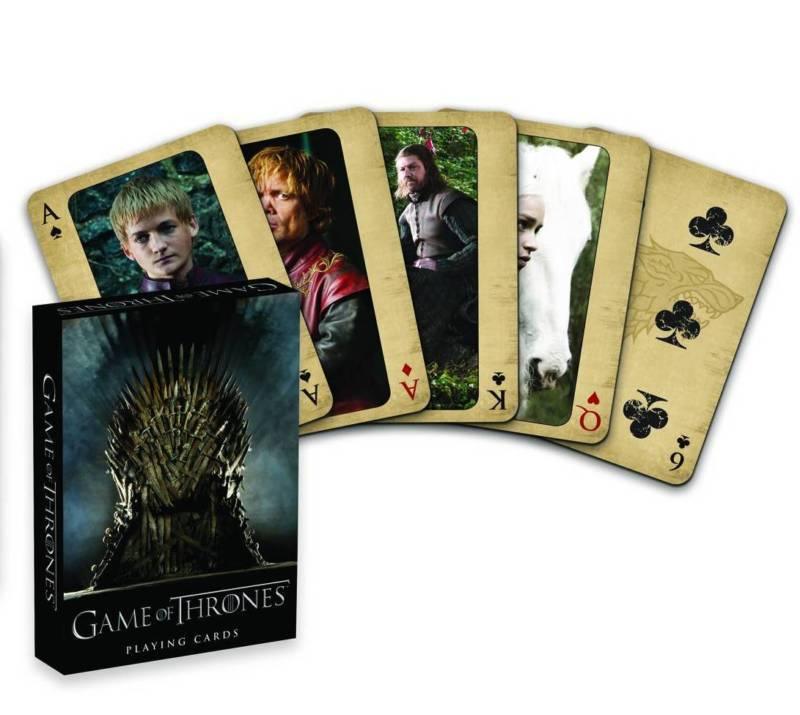
Moreover, the series’ iconic imagery, quotes, and characters have permeated social media and public discussions, shaping how fantasy narratives are consumed and interpreted today. Merchandise, fan art, and conventions celebrating the show further illustrate its lasting significance.
Conclusion
As we reflect on the enduring legacy of Game of Thrones, it becomes clear that its influence on modern culture will persist for years to come. With upcoming projects that promise to delve deeper into the rich lore of this universe, fans can look forward to revisiting familiar landscapes and characters while also exploring uncharted territories. The world of Westeros remains an integral part of the fantasy genre, ensuring that the stories born from it continue to inspire and provoke thought long into the future.