

When Do the Clocks Go Forward in the UK? Dates, Times and Tips
Introduction: Why timing the clocks matters
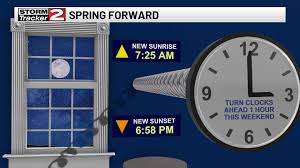
Knowing when do the clocks go forward is important for households, businesses and public services. The annual change affects travel, work schedules, health routines and safety devices such as smoke alarms. Daylight saving time is used to make better use of evening daylight during the warmer months, so understanding the exact dates and times helps people prepare and adjust.
Main details: Dates, times and international differences
UK schedule
In the United Kingdom, clocks go forward one hour at 1:00am on the last Sunday in March and go back one hour at 2:00am on the last Sunday in October. For example, in 2026 daylight saving time in the UK and across most of Europe begins on Sunday 29 March.
North America and other variations
Daylight saving time in the United States and Canada follows a different calendar: clocks change at 2:00am on the second Sunday in March and revert to standard time on the first Sunday in November. In 2026, daylight saving time in much of the U.S. and Canada begins at 2:00am local time on Sunday 8 March. Not every jurisdiction observes the change — Hawaii and most of Arizona do not participate in daylight saving time.
Why times vary
The specific choice of 1:00am or 2:00am is intended to minimise disruption: these are hours when most people are at home and public activity is low. Different regions use slightly different conventions to fit local practice and legal frameworks.
Practical reminders
When adjusting clocks, many organisations and safety bodies suggest using the change as a prompt to check household safety — for example, replacing batteries in smoke detectors. Businesses and individuals should also update timers, electronic devices and calendars to avoid missed appointments.
Conclusion: What readers should expect
When do the clocks go forward is a predictable, twice-yearly event: in the UK it occurs at 1:00am on the last Sunday in March (with the return at 2:00am on the last Sunday in October). For 2026, expect the spring change on 29 March in the UK and on 8 March in many parts of North America. The change brings longer evenings but requires small practical adjustments — planning ahead will reduce disruption and improve safety.