

When Do the Clocks Change in 2026? Your Complete Guide to British Summer Time
Understanding UK Clock Changes in 2026
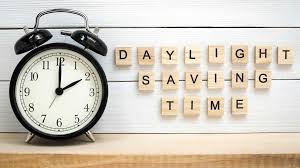
As we navigate through 2026, UK residents need to be aware of two crucial dates for their diaries. The clocks next go forward by one hour at 1am on 29 March 2026, marking the start of British Summer Time. Later in the year, the clocks next turn back by one hour at 2am on 25 October 2026, signalling the return to Greenwich Mean Time. These biannual changes remain an important feature of life in the United Kingdom, affecting daily routines, sleep patterns, and how we make use of daylight hours throughout the year.
Why the UK Changes the Clocks Twice a Year
The clocks change twice a year in the UK as part of the practice of Daylight Saving Time (DST). The main reason for this is to make better use of natural daylight during the longer days of spring and summer. The tradition has deep historical roots. The policy was first introduced on 17th May 1916 in an attempt to save fuel, namely candles and coal, during World War One. The concept was championed by William Willett – an early promoter of British Summer Time who wanted to maximise the use of daylight hours. Today, whilst energy savings remain a consideration, the primary benefit is the extended evening daylight during summer months, which many people enjoy for outdoor activities and leisure.
What Happens When the Clocks Change
When the clocks spring forward in March, we lose an hour of sleep as clocks jump from 1am to 2am. This marks the beginning of British Summer Time (BST), which is GMT+1. The memorable phrase “spring forward, fall back” helps people remember which direction the clocks move. In October, the opposite occurs – at 2am, clocks fall back to 1am, giving everyone an extra hour. In the UK, the clocks change twice a year, once in spring and again in autumn – they go forward one hour on the last Sunday in March and back one hour on the last Sunday in October. Most modern devices like smartphones and computers update automatically, though manual clocks in cars and kitchens often need adjusting by hand.
Looking Ahead: The Future of Clock Changes
The tradition of changing clocks continues to spark debate. In 2019, the European Parliament backed a proposal to end the practice of changing the clocks in European Union states. However, no final decision has yet been taken on the matter. For now, the UK maintains its century-old practice. As we approach March 2026, the clock change will bring welcome longer evenings and the promise of spring, whilst October’s shift will ensure brighter mornings as winter approaches. Understanding these dates helps everyone prepare for the adjustments to their daily schedules and routines.