

When do the clocks go forward in 2026? Date, time and guidance
Introduction: Why the date matters
Knowing when do the clocks go forward 2026 is important for planning travel, work schedules and sleep routines. The annual spring change to daylight saving time shifts clocks forward by one hour, affecting sunrise and sunset times and disrupting many people’s circadian rhythms. In the United States, the 2026 change is already scheduled, so individuals and organisations can prepare in advance.
Main details: Exact date and what changes
Date and time
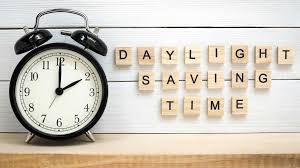
Daylight saving time in 2026 begins on Sunday, 8 March. The official change occurs at 2 a.m. local time in the US, when clocks are set forward by one hour. Practically, this means you will lose one hour of sleep that night and both sunrise and sunset will occur one hour later than before.
Effect and context
Springing forward gives more daylight in the evening at the expense of darker mornings. The change was originally observed for reasons such as fuel conservation during the First World War, though popular explanations—like helping farmers—are misconceptions. The shift can cause sleep disturbance for some people, with reports that the body clock can take days or weeks to adjust.
Policy and regional notes
Not all US states observe daylight saving time; some jurisdictions choose not to change their clocks. There has also been growing interest in making daylight saving time permanent or otherwise standardising the practice. Legislative efforts to alter the biannual change have gained attention, but attempts to fast-track a law to prevent the March time change have stalled in Congress, so the 8 March 2026 shift remains in place.
How to prepare and what it means for readers
To reduce disruption, consider shifting your sleep schedule gradually in the days before 8 March, and get morning sunlight in the first week of daylight saving time to help reset your internal clock. Check electronic devices and travel plans, and confirm workplace or healthcare appointments scheduled around the change. While debate about long-term reform continues, the immediate practical step is to be ready for the 2 a.m. forward shift on 8 March 2026.
Conclusion: Short-term change, long-term debate
The 2026 spring change is confirmed for 8 March at 2 a.m. local time in the US. Expect short-term sleep and scheduling impacts and follow public discussion about possible future reforms that could alter or end the twice-yearly clock changes.