

When Do Clocks Go Forward: What to Know for the UK
Introduction: Why the Clock Change Matters
Knowing when clocks go forward matters for safety, travel, work schedules and personal routines. In the UK, the spring change marks the switch to British Summer Time (BST), shifting daylight into the evening. The move affects public transport timetables, healthcare appointments, energy use and sleep patterns, so clear, simple information helps households and businesses prepare.
Main details: When and how the change happens
In the United Kingdom, clocks go forward by one hour on the last Sunday in March. The change takes place at 01:00 GMT, at which point clocks advance to 02:00 BST. This rule applies across England, Scotland, Wales and Northern Ireland. The reverse change – clocks going back an hour and returning to Greenwich Mean Time (GMT) – happens on the last Sunday in October at 02:00 BST, when clocks go back to 01:00 GMT.
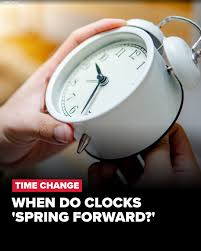
The intention of the shift is to make better use of evening daylight during the warmer months. Most modern smartphones, computers and internet-connected devices update automatically. However, a range of household items — including oven clocks, wall clocks, some heating timers, car clocks and older alarm clocks — often require manual adjustment.
Practical implications and advice
Transport and public services publish adjusted timetables around the change; travellers should check trains, buses and flights for any seasonal alterations. Employers and schools may issue guidance on start times, and those on shift work or receiving time-sensitive medication should verify appointment times and dosage schedules. To reduce disruption to sleep, experts suggest gradually shifting bedtimes by 10–15 minutes in the days before the change.
For households, now is a good time to replace batteries in smoke and CO alarms when you change clocks. People who rely on analogue clocks or mechanical timers should set aside a few minutes to update devices on the Sunday morning of the change.
Conclusion: What readers should do next
Clocks go forward on the last Sunday in March at 01:00 GMT, becoming 02:00 BST. Check automatic updates on digital devices and manually adjust non‑connected clocks. Review travel plans, medications and working hours to avoid disruption. Preparing in advance ensures a smoother transition into British Summer Time and helps households and businesses adapt quickly to the one-hour shift.