

When do the clocks go forward in 2026? Date, details and how to prepare
Introduction
When do the clocks go forward 2026 is a question many people ask each spring. The annual change to daylight saving time affects sleep, travel schedules and daily routines across large parts of North America. Knowing the exact date and practical steps to adjust can reduce disruption and help protect health and safety as the clocks move forward.
Main body
When and how the change happens
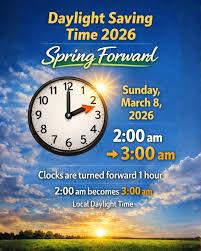
Daylight saving time in 2026 begins on Sunday 8 March at 2 a.m. local time. At that moment clocks are set forward one hour — from 2 a.m. to 3 a.m. — so sunrise and sunset will occur one hour later by the clock. Daylight time typically runs from the second Sunday in March to the first Sunday in November, an eight-month period when the majority of the country adjusts clocks forward and back.
Who is affected and who is not
Most provinces, territories and states observe the change, but there are exceptions. In Canada, Yukon, most of Saskatchewan and some areas of Ontario, Quebec and Nunavut do not change their clocks. Meanwhile, B.C. will officially move to permanent daylight time, which will end biannual clock changes in that province. Not every jurisdiction follows the same rules, so residents should check local guidance.
Health and practical impacts
The clock change can disrupt circadian rhythms — the internal clock that governs sleep, digestion and hormonal cycles. Clinical psychologist Roger Godbout of the Riviere-des-Prairies Sleep Laboratory notes people often lose close to an hour of sleep around the shift. Research and commentary have fuelled calls to cancel the practice, and there is growing interest in standardising time to avoid twice-yearly changes.
How to prepare
Practical tips include setting alarms and timers before bed on Saturday night (7 March) to reflect the new time, and seeking early-morning daylight in the days after the switch to help reset the body clock. These simple steps can ease the transition and reduce sleep disturbance for the first week of daylight saving time.
Conclusion
When do the clocks go forward 2026? On 8 March at 2 a.m., most areas will spring forward to 3 a.m. The change is short but meaningful: it affects sleep, schedules and even regional policy. Knowing the date, who is exempt and how to prepare will help readers minimise disruption and adapt safely to the longer evenings ahead.