

Blackpool Tower: enduring appeal and its role in Blackpool tourism
Why Blackpool Tower matters
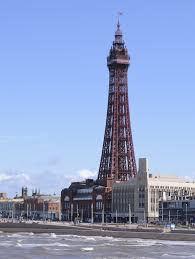
Blackpool Tower is one of the United Kingdom’s most recognisable Victorian landmarks and a focal point of seaside tourism on the Lancashire coast. Opened in 1894 and inspired by the Eiffel Tower in Paris, the 158-metre structure combines architectural history with year-round visitor attractions. Its importance extends beyond heritage: the Tower supports local employment, contributes to the visitor economy and symbolises Blackpool’s identity.
Main facts and recent context
Structure and attractions
The Tower houses several long-established entertainments, including the Tower Ballroom—known for its ornate interior and dance events—and the Tower Circus. In recent decades the site has developed a modern visitor offer with the Blackpool Tower Eye observation deck, which provides panoramic views across the town and the Irish Sea and includes a glass-floor viewing area for visitors seeking a dramatic perspective.
Heritage and protection
Recognised for its historic and architectural significance, Blackpool Tower is a listed building and remains subject to conservation and maintenance work to protect its ironwork and decorative features. Conservation efforts aim to balance preserving the original Victorian fabric with providing safe, accessible facilities for contemporary audiences.
Impact and outlook
Blackpool Tower continues to attract local, national and international visitors, helping to anchor the wider resort economy as Blackpool adapts to changing tourism patterns. Seasonal events, ballroom performances and family attractions at the Tower contribute to visitor numbers and support nearby hotels, restaurants and retail. Operators and local stakeholders have signalled ongoing investment in programming and maintenance to keep the landmark relevant and safe for future generations.
Conclusion
As a cultural icon and economic asset, Blackpool Tower remains central to the town’s identity. Continued conservation, coupled with varied programming, is likely to preserve its appeal to visitors while supporting local recovery and long-term tourism resilience. For readers, the Tower stands as both a piece of living history and a reminder of the enduring draw of Britain’s coastal destinations.